Left Alone
Of The Vine
- Label
- dunk!records, A Thousan Arms
- Year
- 2020
- Published on
- WherePostRockDwells
There are albums that convey the feeling of being huge from the first seconds of the first song. I listen to a lot of post-rock records and I love that sensation of sensory rapture that derives from it, yet in recent times I don’t remember an album that completely got me hooked after the first few seconds as did “Left Alone” by Of The Vine, a post-rock/shoegaze quartet from Atlanta, Georgia. The record comes out five years after “East-the-Water” and confirms the excellent qualities already found in the previous work, bringing the proposal to an even higher standard of quality.
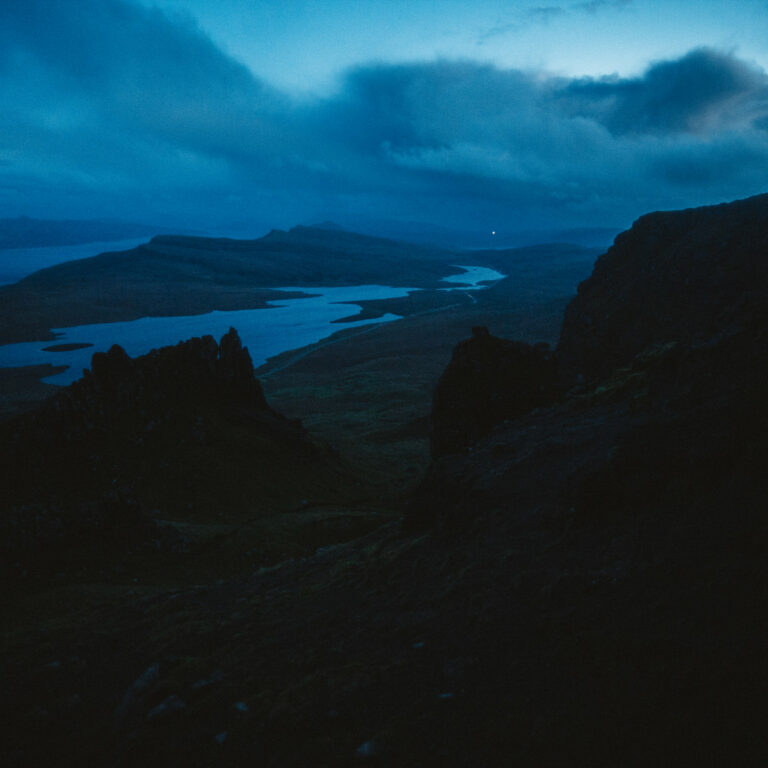
It is one of those records that immediately puts the cards on the table with a great track, which for declaration of intent reminded me of “Triumph & Disaster” by We Lost The Sea. The band isn’t afraid of raising the bar too high with the opening track, because they are confident enough and have a lot to tell, knowing exactly how to do it in the minutes that will follow. “Left Alone” welcomes the listener with a painful scream, to which you cannot remain indifferent even if you want, which delegates the piece to a very successful combination of post-metal (especially for the type of guitar riffs) and slow-core. The voice, a new addition for the band, in this track is the protagonist and it is the main element around which cathartic and explosive emotional bombs shake the soul of those who approach listening. To be able to decipher all the influences of the band, this particular track speaks for itself: there are two opposing and totalizing visions which will also develop in the following songs. A furious impetus that grows slowly, supported by the precise and lethal blows of an imposing drumming, and the ethereal delicacy of ambient atmospheres that describe the surreal calm that can be found in a landscape observed in rigorous solitude. In this sense, the artwork speaks for itself: I don’t deny that I got lost in looking at that photo, which depicts a valley immersed in a dreamy atmosphere full of enormous symbolism. The cold blue hues of the sky, presumably at dawn, and the darkness of the valleys below, which will feed on the saving light that will come shortly thereafter.
And it is precisely in these glimmers of light that the greatness of the record resides; the introduction of the vocals in the compositions adds a further layer of emotion, both in the most dramatic and in the softest parts: the resulting atmospheres that derive from it, especially in emotional terms, refer to Sigur Rós and Slowdive (of which the group has also recorded a cover, “Avalyn”, b-side of the single of “Left alone”) coloring the pieces of a remarkable emotional urgency, never an end in itself. One example is “I’m Morissey, I’m dead”, whose title immediately refers to a glorious song by Mogwai (I’m Jim Morrison I’m dead). It’s the longest track on the record, as well as my favorite. In its ten minutes it allows you to savor the spaciousness of the sound proposal, which combines compact and airy drumming with hypnotic riffs that touch every type of pain, healing it through layered and introspective melodic passages in which the voice floats in a dreamlike and suspended atmosphere. When the distortion of the guitars sweeps away everything in the final part, the sound is compact and cohesive and rises in a single flow in which the voice is lost, like an instrument, completely surrounded by the wall of sound.
In the most emotional parts of the album there is an influence of a certain type of emo (American Football, The Appleseed Cast et al.) but the feeling can never be associated with surrender or despair as much as with a deep desire for almost visceral exorcism and the melodic brush strokes entrusted to the guitars act deeply in this sense. Even when the voice hovers singing “Will I ever feel the joy again? I really messed it up this time”, with a subdued and courageous vulnerability, the pain is certainly present but is inserted in an atmosphere so dreamy and meticulously chiseled in phrases of warm and clear guitars that the resulting emotion is tinged with a harmonious sense of hope. The ethereal and wonderful notes of “Exmoore” reveal a luminous sensation of serenity, like when you recover after a deep and overwhelming suffering. The airy reverberation of the guitars brings with it the power of a light observed at the bottom of a tunnel, bigger and bigger, closer and closer, and the resulting crescendo resembles a joyful and all-encompassing awareness that remains in mind for a long time, in a catharsis full of optimism.
It is a solid record on the arrangements and production front but it is all part of the emotions that the band intends to transmit. Between clear sound passages marked by the power of the drums, guitars that first dance in dreamlike atmospheres cradled by the vocals, and then creep into powerful heavier explosive sections with heart-pounding drumming. It’s all here. Nevertheless, one is kidnapped by the atypical structure of the compositions, for which the threshold of attention is always very high: even in the most minimal moments the emotional factor is very high, in which a state of deep contemplation envelops the listener. The transitions between the sections are natural even when they happen quickly, see for example the final track, “Ilfracombe”, in which the voice returns overbearing in the track together with the imaginative and effective patterns of the drums, in a swirling crescendo that wraps the piece of a blanket of cinematic drama. When the song reaches its peak, it turns into the sweetness of a reverberated guitar which contains the true essence of the song. Even where certain passages are reminiscent of parts already contemplated in the post-rock realm, what is striking and truly captivating is the sound quality and dynamic originality entrusted to the songs which seem to breathe a life of their own by alternating different emotions united by a single purpose: the concept of rebirth, and consequential awakening. In other words, embracing the onset of emotions, which can obviously be sudden, without being overwhelmed by them.
It is an album that alternates between variegated vibes, moods, soundscapes. The listener is overwhelmed with devastating emotional roars that leave room for pure post-rock sections which is rife with ineffable beauty. Of The Vine prove to be virtuosos who conjured up an album that nonchalantly walks a tightrope combining both the formulaic and atypical characteristics of post-rock. During these five years the band has managed to explore different sounds and ideas, allowing it to find that subtle balance between experimentation and method. They have given birth to a record that resembles a multifaceted creature, whose hidden glimpses can be observed as fleeting apparitions but it is difficult to observe the whole and it certainly needs repeat plays to ascertain that feeling. The complexity of the musical influences displayed in the 45 minutes of runtime manages to harmoniously cohabitate outbursts to the limits of blackgaze with moving and immersive sections of ambient and cinematic post-rock in its most serene and reassuring version. It’s a record that ultimately embraces the complexity of the human condition, the emotional dichotomies that characterize the human being, the purest joys that arise from the strongest pains, from the survival of clenched teeth, from the tears that dry in the fresh air of a new morning. It is a work that puts the waiting for the light into music and the glimmers that dazzle the view after a saving storm, as well as rebirth and finding oneself deeply after a loss.
Ci sono album che trasmettono la sensazione di essere enormi fin dai primi secondi del primo brano. Ascolto tantissimi dischi post-rock e adoro quella sensazione di rapimento sensoriale che ne deriva, eppure negli ultimi tempi non ricordo un album che mi abbia agganciato completamente dopo pochi secondi come ha fatto "Left Alone" degli Of The Vine, quartetto post-rock/shoegaze di Atlanta, in Georgia. Il disco arriva cinque anni dopo "East-the-Water" e conferma le ottime qualità già riscontrate nel lavoro precedente, portando la proposta a uno standard qualitativo ancora più alto.
È uno di quei dischi che mette subito le carte in tavola con un grande brano, che come dichiarazione d'intenti mi ha ricordato "Triumph & Disaster" dei We Lost The Sea. La band non ha paura di alzare troppo l'asticella con il pezzo d'apertura, perché è abbastanza sicura di sé, ha molto da raccontare e sa esattamente come farlo nei minuti che seguiranno. "Left Alone" accoglie l'ascoltatore con un urlo straziante, a cui non si può restare indifferenti nemmeno volendo, e affida il brano a una combinazione riuscitissima di post-metal (soprattutto per il tipo di riff di chitarra) e slowcore. La voce, una novità per la band, in questo brano è protagonista ed è l'elemento principale attorno a cui vere e proprie bombe emotive, catartiche ed esplosive, scuotono l'anima di chi si avvicina all'ascolto. Per decifrare tutte le influenze della band questo brano parla da sé: ci sono due visioni opposte e totalizzanti che si svilupperanno anche nei pezzi successivi. Un impeto furioso che cresce lentamente, sostenuto dai colpi precisi e letali di un drumming imponente, e la delicatezza eterea di atmosfere ambient che descrivono la calma surreale che si può trovare in un paesaggio osservato in rigorosa solitudine. In questo senso l'artwork parla da sé: non nego di essermi perso a guardare quella foto, che ritrae una valle immersa in un'atmosfera sognante carica di un enorme simbolismo. Le fredde sfumature blu del cielo, presumibilmente all'alba, e l'oscurità delle valli sottostanti, che si nutriranno della luce salvifica che arriverà poco dopo.
Ed è proprio in questi spiragli di luce che risiede la grandezza del disco; l'introduzione della voce nelle composizioni aggiunge un ulteriore strato di emozione, sia nelle parti più drammatiche che in quelle più morbide: le atmosfere che ne derivano, soprattutto in termini emotivi, rimandano ai Sigur Rós e agli Slowdive (di cui il gruppo ha anche registrato una cover, "Avalyn", b-side del singolo "Left Alone"), colorando i brani di una notevole urgenza emotiva, mai fine a se stessa. Un esempio è "I'm Morissey, I'm dead", il cui titolo rimanda subito a un glorioso brano dei Mogwai ("I'm Jim Morrison, I'm Dead"). È il brano più lungo del disco, nonché il mio preferito. Nei suoi dieci minuti permette di assaporare la spaziosità della proposta sonora, che unisce un drumming compatto e arioso a riff ipnotici che toccano ogni tipo di dolore, curandolo attraverso passaggi melodici stratificati e introspettivi in cui la voce fluttua in un'atmosfera onirica e sospesa. Quando nella parte finale la distorsione delle chitarre spazza via tutto, il suono è compatto e coeso e si innalza in un unico flusso in cui la voce si perde, come uno strumento, completamente avvolta dal muro di suono.
Nelle parti più emotive dell'album si sente l'influenza di un certo tipo di emo (American Football, The Appleseed Cast e simili), ma la sensazione non può mai essere associata alla resa o alla disperazione quanto piuttosto a un profondo desiderio di esorcismo quasi viscerale, e le pennellate melodiche affidate alle chitarre agiscono a fondo in questo senso. Anche quando la voce aleggia chiedendosi se proverà mai di nuovo gioia, ammettendo di aver rovinato tutto stavolta, con una vulnerabilità sommessa e coraggiosa, il dolore è certamente presente ma è inserito in un'atmosfera così sognante e cesellata con cura in fraseggi di chitarre calde e limpide che l'emozione che ne risulta si tinge di un armonioso senso di speranza. Le note eteree e meravigliose di "Exmoore" rivelano una luminosa sensazione di serenità, come quando ci si riprende dopo una sofferenza profonda e travolgente. Il riverbero arioso delle chitarre porta con sé la forza di una luce vista in fondo a un tunnel, sempre più grande, sempre più vicina, e il crescendo che ne deriva somiglia a una consapevolezza gioiosa e totalizzante che resta in mente a lungo, in una catarsi piena di ottimismo.
È un disco solido sul fronte degli arrangiamenti e della produzione, ma tutto è al servizio delle emozioni che la band intende trasmettere. Tra passaggi sonori limpidi scanditi dalla potenza della batteria, chitarre che prima danzano in atmosfere oniriche cullate dalla voce e poi si insinuano in sezioni esplosive più pesanti, con un drumming che fa battere il cuore. C'è tutto. Eppure si resta rapiti dalla struttura atipica delle composizioni, che tiene la soglia d'attenzione sempre altissima: anche nei momenti più minimali il fattore emotivo è altissimo, e uno stato di profonda contemplazione avvolge chi ascolta. Le transizioni tra le sezioni sono naturali anche quando avvengono rapidamente: si veda ad esempio il brano conclusivo, "Ilfracombe", in cui la voce torna prepotente insieme ai pattern fantasiosi ed efficaci della batteria, in un crescendo vorticoso che avvolge il pezzo in una coltre di dramma cinematografico. Quando il brano raggiunge il suo apice, si trasforma nella dolcezza di una chitarra riverberata che racchiude la vera essenza della canzone. Anche dove certi passaggi ricordano parti già esplorate nel regno del post-rock, ciò che colpisce e cattura davvero è la qualità del suono e l'originalità dinamica affidata ai brani, che sembrano respirare di vita propria alternando emozioni diverse unite da un unico scopo: il concetto di rinascita, e del conseguente risveglio. In altre parole, accogliere l'insorgere delle emozioni, che ovviamente può essere improvviso, senza esserne travolti.
È un album che alterna vibrazioni, umori e paesaggi sonori variegati. L'ascoltatore viene travolto da devastanti ruggiti emotivi che lasciano spazio a sezioni di puro post-rock colme di una bellezza ineffabile. Gli Of The Vine si dimostrano virtuosi capaci di evocare un album che cammina con disinvoltura su un filo sottile, unendo le caratteristiche più canoniche e quelle più atipiche del post-rock. In questi cinque anni la band è riuscita a esplorare suoni e idee diverse, trovando quel sottile equilibrio tra sperimentazione e metodo. Ha dato vita a un disco che somiglia a una creatura dalle mille sfaccettature, i cui scorci nascosti si possono osservare come apparizioni fugaci, ma di cui è difficile cogliere l'insieme, e servono di certo più ascolti per averne piena percezione. La complessità delle influenze musicali messe in mostra nei 45 minuti di durata riesce a far convivere armoniosamente sfuriate al limite del blackgaze con sezioni commoventi e immersive di post-rock ambient e cinematografico, nella sua versione più serena e rassicurante. È un disco che in fin dei conti abbraccia la complessità della condizione umana, le dicotomie emotive che caratterizzano l'essere umano, le gioie più pure che nascono dai dolori più forti, dalla sopravvivenza a denti stretti, dalle lacrime che si asciugano all'aria fresca di un nuovo mattino. È un'opera che mette in musica l'attesa della luce e i bagliori che abbagliano la vista dopo una tempesta salvifica, così come la rinascita e il ritrovarsi profondamente dopo una perdita.