TAMAT
Paint The Sky Red
- Label
- Moment Of Collapse Records
- Year
- 2024
- Published on
- GrindOnTheRoad
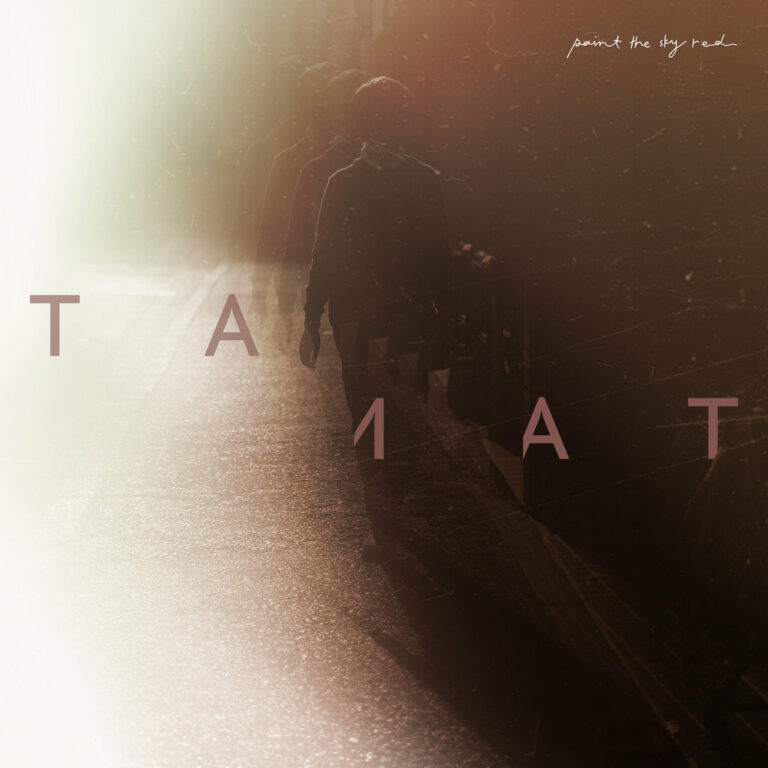
I Paint The Sky Red, ensemble post-rock strumentale originario di Singapore, hanno deciso di porre fine al proprio viaggio musicale con l’uscita di un album conclusivo, TAMAT. Pubblicato in digitale nell’ottobre del 2023 e distribuito in formato fisico a febbraio di quest’anno dall’etichetta Moment Of Collapse Records, questo lavoro rappresenta il culmine di una carriera di spicco, in cui il vero punto di svolta è stato il secondo album, Not All Who Wonder Are Lost, pubblicato nel 2015; un gran bel disco che ha catalizzato l’attenzione sulla band, confermandoli come una delle migliori realtà nel panorama internazionale della musica strumentale. Ora, a cinque anni dall’ottimo There Is A Tomorrow You Don’t Know, i post-rockers singaporiani tornano con un lavoro di inediti che rappresenta una sorta di addio dolceamaro alla loro avventura musicale. Con un senso di chiusura e gratitudine, la band ha dichiarato che spera che l’album possa fornire conforto a coloro che affrontano le proprie fini personali e i conseguenti nuovi inizi.
In malese, la lingua nativa del gruppo, la parola “tamat” significa proprio “fine”, o più in generale “completato, finito”. Oltre a dare il titolo al disco, della durata generosa di un’ora, “tamat” è anche il nome scelto per il primo brano in scaletta. Il brano si apre con un’introduzione eterea, in cui gli strumenti costruiscono un’atmosfera ambient che presto si evolve verso una forma più convenzionale di canzone post-rock. Nonostante la transizione non sia fluidissima, il pezzo mantiene comunque un forte impatto, grazie a melodie coinvolgenti e intrecci di chitarra efficaci; il finale è molto potente, oltre ad esser caratterizzato dall’insorgere di un coro e da un tremolo che si fa strada con forza. La successiva “bussorah” si apre con una solida linea di basso che sorregge la melodia malinconica tracciata dalla chitarra, a cui se ne aggiunge un’altra arricchita da un riverbero che si estende dolcemente nello spazio con la delicatezza di un abbraccio. Man mano che il brano si evolve, il pattern di batteria si fa più incisivo e i riff più vigorosi, creando un contrasto coinvolgente, a cui si somma un coro di voci nella sezione più concitata. Il bridge che segue è pura magia: un fraseggio malinconico eppure speranzoso prende il sopravvento, accompagnato da una chitarra che intreccia melodie più fresche e vibranti. È un momento di puro trasporto emotivo, che sinceramente avrei voluto sperimentare prima nel brano: la melodia è troppo bella per essere relegata solo alle parti finali, a mio parere. Credo sia il mio momento preferito dell’intero disco. Si prosegue con “putri”, in cui la risata gioiosa di un bambino crea sin da subito un’atmosfera di serenità e leggerezza. Delicati arpeggi di chitarra avvolgono la mente in uno stato di profonda tranquillità, e verso metà brano emerge un leggero cambiamento, caratterizzato dall’ingresso di una chitarra distorta che aggiunge una sottile tensione al mood complessivo. Il pattern di batteria si anima, diventando più dinamico e imprevedibile, riflettendo questa nuova direzione. Nonostante il ritorno alla calma verso la fine, la presenza del tremolo riverberato a destra aggiunge quell’emozione tipica del post-rock, una sorta di malinconia trionfale, che in questo caso si sposa particolarmente bene con il tema principale dell’album. Il brano a seguire, “nescaya”, cattura subito l’attenzione con la melodia sognante di un pianoforte dal suono veramente piacevole: le note fluttuano nell’aria e fanno pensare a certi God Is An Astronaut. La presenza della chitarra in tremolo riverberata sullo sfondo contribuisce a donare all’atmosfera una natura eterea e nostalgica, ma è indubbiamente il piano con la sua melodia sognante il vero protagonista, almeno finché non cede spazio alle linee di chitarra della sezione centrale, nei cui dialoghi sono evocate emozioni e colori tipici del post-rock. In un certo senso è come se la tensione crescesse in lontananza, persa nel riverbero e nei ricordi, mentre i riff puliti mantengono ancorata la composizione al presente; anche qui inoltre è presente un coro molto suggestivo in chiusura. La successiva “م (mīm)” presenta una struttura più convenzionale, con diverse sezioni che alternano momenti più calmi ad altri più spigolosi. Il sound avvolgente dell’insieme richiama l’epicità dei Mono, con atmosfere quasi invernali e nostalgiche nei fraseggi di chitarra: c’è anche un crescendo che acquisisce dinamismo con il variare del pattern di batteria, dapprima solo nel rullante, e poi con variazioni sottili nei piatti. È un crescendo che non punta a raggiungere un climax quanto a stabilire un’intensità generale, soprattutto grazie ai riff più taglienti a sinistra e all’incedere compatto di tutti gli strumenti. Segue “menyerlah”, composizione caratterizzata da un’atmosfera ovattata, arricchita dal delay reverse, il cui utilizzo contribuisce a tratteggiare uno scenario delicato e suggestivo. Sebbene alcune parti possano risultare ripetitive, il coro angelico e i riff di chitarra dalla natura quasi indie-rock aggiungono profondità alla composizione. Richiamando alla mente il suono etereo dei Sigur Rós, “menyerlah” si distingue come una delle tracce più interessanti dell’album, nonostante una lunga introduzione che potrebbe essere stata più concisa. La traccia conclusiva, “sedar”, inizia con un mood rilassante e disteso, caratterizzato da un bel pattern di batteria che ricorda una marcia. Con l’aggiunta di una chitarra acustica e un coro che ricorda i The World Is A Beautiful Place & I Am No Longer Afraid To Die, il brano sembra quasi abbracciare elementi dell’emo-post rock. Il climax a base di chitarre distorte è seguito da una sezione serena con riff puliti ed ampi riverberi, e contribuisce a concludere l’album in modo suggestivo e pacato, con un finale accentuato dal delay reverse che sfuma dolcemente in un fade out.
Nonostante alcuni passaggi possano risultare un po’ ripetitivi e manchi a tratti un po’ di variazione nel ritmo e nella struttura delle composizioni, TAMAT rimane un lavoro di grande valore artistico ed emotivo. In generale, si tratta di un ottimo album che, essendo anche l’ultimo della loro carriera, assume un significato particolare nel riflettere il talento e l’impegno dei Paint The Sky Red nel corso degli anni. Rappresenta un degno epilogo della loro storia musicale, e offre momenti di bellezza e profondità che arrivano dritti al cuore e saranno sicuramente apprezzati dagli appassionati del genere. D’altronde, come insegnano gli Explosions In The Sky nel loro ultimo album End, una fine, seppur triste per definizione, può rappresentare anche qualcosa di profondamente bello.
Paint The Sky Red, an instrumental post-rock ensemble from Singapore, have decided to end their musical journey with a final album, TAMAT. Released digitally in October 2023 and physically in February this year by Moment Of Collapse Records, this work represents the culmination of a notable career, whose real turning point was their second album, Not All Who Wonder Are Lost, released in 2015; a really fine record that drew attention to the band, confirming them as one of the best acts on the international instrumental music scene. Now, five years after the excellent There Is A Tomorrow You Don't Know, the Singaporean post-rockers return with a work of new material that is a sort of bittersweet farewell to their musical adventure. With a sense of closure and gratitude, the band said they hope the album can bring comfort to those facing their own personal endings and the new beginnings that follow.
In Malay, the band's native language, the word "tamat" means precisely "end", or more generally "completed, finished". Besides giving its title to the record, a generous hour long, "tamat" is also the name of the first track. It opens with an ethereal introduction in which the instruments build an ambient atmosphere that soon evolves into a more conventional post-rock song form. Although the transition isn't the smoothest, the piece still has a strong impact thanks to engaging melodies and effective interweaving guitars; the ending is very powerful, marked by the arrival of a choir and a tremolo that forcefully makes its way through. The following "bussorah" opens with a solid bass line supporting the melancholic melody traced by the guitar, joined by another one enriched by a reverb that stretches gently through space with the delicacy of an embrace. As the track evolves, the drum pattern becomes more incisive and the riffs more vigorous, creating an engaging contrast, to which a choir of voices is added in the most frantic section. The bridge that follows is pure magic: a melancholic yet hopeful phrase takes over, accompanied by a guitar weaving fresher, more vibrant melodies. It's a moment of pure emotional rapture that, frankly, I'd have liked to experience earlier in the track: the melody is too beautiful to be relegated only to the final parts, in my opinion. I think it's my favourite moment on the whole record. Next comes "putri", in which a child's joyful laughter immediately creates an atmosphere of serenity and lightness. Delicate guitar arpeggios wrap the mind in a state of deep tranquillity, and around halfway a slight change emerges, marked by the entry of a distorted guitar that adds subtle tension to the overall mood. The drum pattern comes alive, becoming more dynamic and unpredictable, reflecting this new direction. Despite the return to calm towards the end, the reverb-drenched tremolo on the right adds that emotion typical of post-rock, a kind of triumphant melancholy, which here goes particularly well with the main theme of the album. The following track, "nescaya", immediately grabs attention with the dreamy melody of a really pleasant-sounding piano: the notes float in the air and bring to mind certain God Is An Astronaut. The reverb-laden tremolo guitar in the background helps give the atmosphere an ethereal, nostalgic nature, but the piano with its dreamy melody is undoubtedly the real protagonist, at least until it gives way to the guitar lines of the central section, whose dialogues evoke emotions and colours typical of post-rock. In a sense it's as if the tension were growing in the distance, lost in reverb and memories, while the clean riffs keep the composition anchored to the present; here too there's a very evocative choir at the close. The following "م (mīm)" has a more conventional structure, with different sections alternating calmer and more angular moments. The enveloping sound of the whole recalls the epic quality of Mono, with almost wintry and nostalgic atmospheres in the guitar phrases: there's also a crescendo that gains dynamism as the drum pattern varies, at first only on the snare and then with subtle variations on the cymbals. It's a crescendo that doesn't aim at a climax so much as at establishing an overall intensity, above all thanks to the sharper riffs on the left and the compact progress of all the instruments. Next is "menyerlah", a composition with a muffled atmosphere enriched by reverse delay, whose use helps sketch a delicate and evocative scene. Although some parts may sound repetitive, the angelic choir and the almost indie-rock guitar riffs add depth to the composition. Recalling the ethereal sound of Sigur Rós, "menyerlah" stands out as one of the album's most interesting tracks, despite a long introduction that could have been more concise. The closing track, "sedar", begins with a relaxing, laid-back mood, marked by a nice march-like drum pattern. With the addition of an acoustic guitar and a choir reminiscent of The World Is A Beautiful Place & I Am No Longer Afraid To Die, the track seems almost to embrace elements of emo post-rock. The climax of distorted guitars is followed by a serene section with clean riffs and wide reverbs, helping to close the album in an evocative, gentle way, with an ending accentuated by reverse delay that softly fades out.
Although some passages may feel a bit repetitive and there's at times a lack of variation in the rhythm and structure of the compositions, TAMAT remains a work of great artistic and emotional value. Overall, it's an excellent album which, being the last of their career, takes on a special meaning in reflecting the talent and commitment of Paint The Sky Red over the years. It's a worthy epilogue to their musical story, offering moments of beauty and depth that go straight to the heart and will surely be appreciated by fans of the genre. After all, as Explosions In The Sky teach us on their latest album End, an ending, however sad by definition, can also be something deeply beautiful.