For What May I Hope? For What Must We Hope?
There’s A Light
- Label
- Napalm Records
- Year
- 2021
- Published on
- GrindOnTheRoad
La musica è un linguaggio che permette da sempre di afferrare stati d’animo e concetti profondi, fissandoli in composizioni su cui gli artisti possono tratteggiare melodie in cui imprimere la loro sensibilità e la loro visione. Il quintetto tedesco There’s A Light, votato ad un post-rock classico a tinte ambient contaminato dalla presenza tenue e sporadica della voce, si era già fatto notare nel 2018 con A Long Lost Silence, disco d’esordio molto compatto la cui sensibilità si palesava in ogni singola traccia. Freschi di contratto con la Napalm Records, con questo secondo album i tedeschi propongono un’evoluzione al loro sound che valorizza quanto di buono era già affiorato in precedenza. Se il primo disco privilegiava la componente malinconico-nostalgica per mezzo di brani più cupi e oscuri, i paesaggi sonori di questo lavoro sono più aperti e più luminosi, senza tuttavia disdegnare tensione e introspezione.
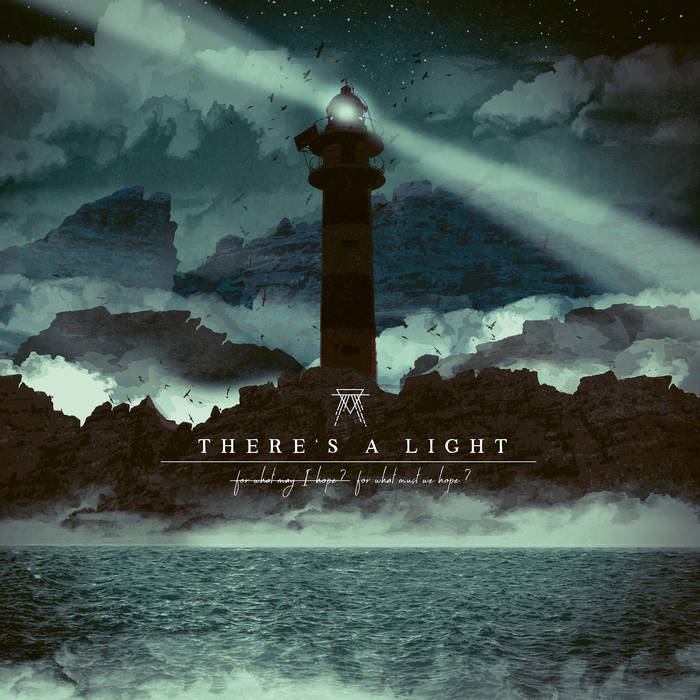
Per farsi notare nel mondo del post-rock, in cui la suddetta introspezione per mezzo di composizioni strumentali è una sorta di requisito minimo, bisogna sicuramente avere quel qualcosa in più: trattandosi di un genere in cui spesso le soluzioni rispondono a determinati schemi, è diventato complicato proporre qualcosa di nuovo o che attragga l’attenzione nella sua totalità. Eppure ci sono band per le quali questo discorso non si applica a causa della qualità sopraffina degli arrangiamenti e della fluidità sonora dei brani. Dischi come For What May I Hope? For What Must We Hope? ci riescono e possono davvero rappresentare uno standard, perché semplicemente non vi è un brano che non si apprezzi per la solidità delle idee melodiche. E questo stupisce ancora di più se si considera il minutaggio del lavoro: nel panorama attuale un disco che dura un’ora può risultare impegnativo. Ciò non accade in questo secondo album dei There’s A Light; i diversi ascolti sono sempre piacevoli, anche perché portano alla luce la miriade di dettagli sonori di cui sono imperniate le tracce. Gli arrangiamenti denotano un’enorme cura in questo senso; basta un delay nel rullante in una particolare fase o un fill di batteria inatteso in una sezione a migliorare brani già solidi. La produzione poi è veramente di ottima fattura, nonché valore aggiunto nel giudizio complessivo: il fattore dinamico dei brani è garantito da un mix equilibratissimo in tutte le fasi, sia quelle più distorte che quelle più stratificate. Il focus principale di questo secondo album della formazione tedesca è il concetto di speranza: sin dall’antichità filosofi e uomini d’intelletto si domandano se si tratti di un sentimento positivo, una sorta di faro luminoso nella notte tempestosa (come nell’azzeccatissima immagine di copertina) o un vano miraggio destinato ad illudere l’essere umano e a trascinarlo lontano dalla verità degli eventi, che non contemplano una giustizia di fondo alla base degli stessi. La band descrive questa ricerca con un sapiente uso delle atmosfere, dove chitarre brillanti e scintillanti costruiscono trame distese i cui riff si infrangono come un balsamo liquido e luminoso a rischiarare sezioni più tese ed urgenti. Sin dalle prime note di “…The Storm Will Set the Sails” si viene immersi in un’atmosfera epica e straniante, e le percussioni da colonna sonora poste a fine brano costituiscono il lasciapassare perfetto per il dipanarsi dell’intero concept. In questo senso, “Within the Tides” stupisce sin da subito con un’atmosfera drammatica e solenne: basso e percussioni tratteggiano una sensazione di tensione che viene gradualmente colorata dal delay della chitarra e dalla distensione degli umori, che evolvono in territori ora malinconici, ora leggeri e luminosi. L’alternanza dei diversi stati d’animo è fluida ed efficace per quello che è a tutti gli effetti un brano di rock strumentale progressive che si trasforma, si attorciglia su sé stesso e si evolve restando comunque riconoscibile e solido. Da qui in poi è tutto un dipanarsi di composizioni azzeccate: “Magnolia” si costruisce su un riff dolcissimo che ricorda gli Explosions in the Sky e sembra descrivere la purezza e l’innocenza di un mattino luminoso; “Like the Earth Orbits Sun”, in cui è presente uno dei riff più deliziosamente orecchiabili dell’intero disco, è un pezzo bellissimo ed emozionante, con un bridge in crescendo dalla forte componente evocativa. Si tratta del primo brano del disco in cui è presente la voce di Andreas Richaus, che impreziosisce anche la dolcissima “Be Brave, Fragile Heart” e il primo singolo, “Elpis”, il cui titolo in greco si traduce con “personificazione dello spirito della speranza”. I movimenti delle due chitarre qui accarezzano la linea vocale muovendo la composizione in uno stato di coscienza meditativo, prima di lasciar spazio alla prominenza del basso e ai colpi irruenti delle pelli, che alzano la tensione con un riffing concitato per poi rilasciarla in un’esplosione deflagrante e gioiosa. Il disco, come già detto, abbraccia un grosso spettro di emozioni diverse: “Dark Clouds Behind, Bright Skies Ahead” è un pezzo in cui la malinconia si erge trionfale nelle solenni chitarre in tremolo; “Refugium” è un delicato episodio ambient che accarezza l’anima con atmosfere autunnali sommesse e ovattate; “Appearance of Earth”, è un pregevole brano dalla forte caratura cinematografica, che emoziona profondamente con uno spoken word degno dei We Lost The Sea di Departure Songs e con il violoncello suonato dall’ospite Akito Goto, da brividi. Nonostante il mood del disco in generale sia più disteso e positivo rispetto al debutto, il quintetto tedesco riflette su tutte le sfaccettature della speranza, anche quelle più buie e impegnative: su “Fear Keeps Pace with Hope” (per chi scrive indubbiamente il miglior titolo), i riff di matrice post-metal rappresentano la paura e i toni delle chitarre clean la speranza: questo connubio di elementi sereni e tesi lo ritroviamo anche nel clamoroso brano finale, “Even in the Darkest Place…”, dove i toni luminosi delle chitarre leniscono l’umore principale del pezzo, irruento e ansiogeno, affidato ad un riff che ricorda tantissimo i Muse più oscuri. È come se quest’ultima cavalcata sonora rappresentasse in pieno l’artwork e in definitiva tutta l’opera: “Anche nei luoghi più oscuri” la speranza si insinua luminosa e fa capolino nel buio con la sua luminosa scia. E se questo sia un bene o un male dipende dall’interpretazione che se ne dà ascoltando: in effetti il climax finale in questo senso è ambiguo; è certamente catartico, ma la band è riuscita in modo abile a renderlo indecifrabile in termini emotivi.
Si tratta per chi scrive di uno dei dischi post-rock più belli dell’anno: è un lavoro che gratifica, cattura l’attenzione e lascia spiazzati per la qualità della proposta. La bellezza delle melodie rende l’ascolto accessibile e mai pesante, ed è un lavoro che si tornerà ad ascoltare con piacere nonostante la durata di un’ora, perché accarezza con naturalezza i dubbi e le domande alla base del tema principale con dei brani robusti e armoniosi di post-rock pensato bene e suonato ancora meglio. Con questo consigliatissimo secondo album, i There’s A Light hanno dimostrato di essere una delle formazioni più interessanti e fresche della scena post-rock, nonché una delle band dalle quali sarà più lecito aspettarsi dischi meravigliosi nel prossimo futuro.
Music has always been a language that lets us grasp moods and deep concepts, fixing them in compositions on which artists can trace melodies imprinted with their sensibility and vision. The German five-piece There's A Light, devoted to a classic, ambient-tinged post-rock touched by the faint, occasional presence of vocals, had already made a name for itself in 2018 with A Long Lost Silence, a very compact debut whose sensitivity showed in every single track. Freshly signed to Napalm Records, with this second album the Germans offer an evolution of their sound that builds on the good things that had already emerged. Where the first record favoured melancholic, nostalgic feelings through darker, gloomier tracks, the soundscapes of this work are more open and brighter, without shunning tension and introspection.
To stand out in the world of post-rock, where introspection through instrumental compositions is a sort of minimum requirement, you certainly need something extra: since it's a genre in which solutions often follow certain patterns, it has become hard to offer something new or that grabs attention as a whole. And yet there are bands to which this doesn't apply, thanks to the superb quality of their arrangements and the sonic fluidity of their songs. Records like For What May I Hope? For What Must We Hope? manage it and can truly set a standard, simply because there isn't a single track you don't appreciate for the solidity of its melodic ideas. And this is even more surprising given the running time: in today's landscape a one-hour record can feel demanding. That doesn't happen with this second There's A Light album; repeated listens are always enjoyable, partly because they bring to light the myriad sonic details the tracks are built on. The arrangements show enormous care in this respect; a delay on the snare in a particular phase or an unexpected drum fill in a section is enough to improve already solid songs. The production is also of really excellent quality, an added value in the overall judgement: the dynamics of the songs are guaranteed by a very well balanced mix in every phase, both the more distorted ones and the more layered ones. The main focus of the German band's second album is the concept of hope: since antiquity philosophers and thinkers have wondered whether it's a positive feeling, a sort of shining lighthouse in a stormy night (as in the spot-on cover image), or a vain mirage destined to deceive human beings and drag them away from the truth of events, which contemplate no underlying justice. The band describes this search with skilful use of atmosphere, where bright, sparkling guitars build relaxed textures whose riffs break like a liquid, luminous balm, lighting up tenser, more urgent sections. From the first notes of "…The Storm Will Set the Sails" you're immersed in an epic, estranging atmosphere, and the soundtrack-like percussion at the end of the track is the perfect passport for the unfolding of the whole concept. In this sense, "Within the Tides" immediately amazes with a dramatic, solemn atmosphere: bass and percussion sketch a feeling of tension gradually coloured by the guitar delay and by a relaxing of moods, which evolve into territory now melancholic, now light and bright. The alternation of moods is fluid and effective in what is to all intents and purposes a piece of progressive instrumental rock that transforms, twists on itself and evolves while staying recognisable and solid. From here on it's a succession of spot-on compositions: "Magnolia" is built on a very sweet riff reminiscent of Explosions in the Sky and seems to describe the purity and innocence of a bright morning; "Like the Earth Orbits Sun", featuring one of the most deliciously catchy riffs on the whole record, is a beautiful, moving piece with a swelling, highly evocative bridge. It's the first track on the record with the voice of Andreas Richaus, which also embellishes the very sweet "Be Brave, Fragile Heart" and the first single, "Elpis", whose Greek title refers to the personification of the spirit of hope. The movements of the two guitars here caress the vocal line, moving the composition into a meditative state of consciousness, before making way for the prominent bass and impetuous drum hits, which raise the tension with frantic riffing and then release it in a blazing, joyful explosion. The record, as already said, embraces a wide spectrum of emotions: "Dark Clouds Behind, Bright Skies Ahead" is a track in which melancholy rises triumphantly in solemn tremolo guitars; "Refugium" is a delicate ambient moment that caresses the soul with hushed, muffled autumnal atmospheres; "Appearance of Earth" is a fine, strongly cinematic track that moves deeply with a spoken word worthy of the We Lost The Sea of Departure Songs and with spine-tingling cello played by guest Akito Goto. Although the record's overall mood is more relaxed and positive than the debut, the German five-piece reflects on every facet of hope, even the darkest and most demanding: on "Fear Keeps Pace with Hope" (for me, without doubt the best title), the post-metal riffs represent fear and the clean guitar tones hope: this union of serene and tense elements also returns in the sensational final track, "Even in the Darkest Place…", where the bright guitar tones soothe the main mood of the piece, impetuous and anxious, carried by a riff very reminiscent of the darkest Muse. It's as if this last sonic gallop fully represented the artwork and, ultimately, the whole work: "even in the darkest place" hope slips in and peeks through the dark with its bright trail. Whether that's a good or a bad thing depends on the interpretation you give it while listening: indeed the final climax is ambiguous in this sense; it's certainly cathartic, but the band has skilfully made it emotionally indecipherable.
For me this is one of the most beautiful post-rock records of the year: it's a rewarding work that grabs your attention and leaves you stunned by the quality of its music. The beauty of the melodies makes it accessible and never heavy, and it's a work you'll gladly return to despite its hour-long running time, because it naturally caresses the doubts and questions behind its main theme with sturdy, harmonious, well-conceived and even better-played post-rock songs. With this highly recommended second album, There's A Light have proved to be one of the most interesting and fresh bands on the post-rock scene, and one of those from which we can most reasonably expect wonderful records in the near future.