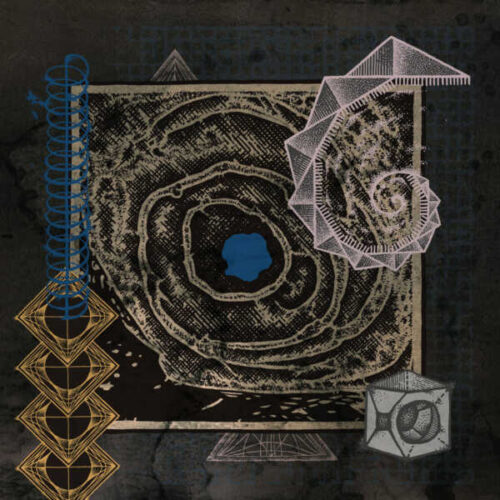
you, infinite
you, infinite
- Label
- Pelagic Records
- Year
- 2025
- Published on
- GrindOnTheRoad
È difficile parlare di post-rock oggi senza pensare ai This Will Destroy You. Texani come gli Explosions in the Sky, nei primi anni 2000 hanno saputo interpretare al meglio le coordinate del genere, quando dischi come Young Mountain e S/T condensavano alla perfezione tutti gli elementi della miglior musica strumentale: atmosfere stratificate, crescendo emotivi, riverberi dilatati che sapevano di Sigur Rós e Mogwai, il tutto con una spiccata sensibilità dai tratti marcatamente cinematografici. Ad oggi dopo quasi vent’anni l’ascolto di S/T riesce ancora a rapirmi come la prima volta, e le immagini che mi evoca sono di pura bellezza. Quella formula, però, non è mai stata una prigione per la band americana: col tempo il suono dei This Will Destroy You si è fatto più radicale, andando a sottrarre o sperimentando con un approccio più scarno al suono, come nel monolitico Tunnel Blanket, o dissolvendolo nei paesaggi ambient più rarefatti di Another Language o Vespertine. In questa recensione, però, non parliamo di un nuovo album dei This Will Destroy You, bensì di qualcosa che si muove su un terreno diverso, pur affondando le radici nello stesso passato. Jeremy Galindo e Raymond Brown, due degli artefici principali della magia dei TWDY, si sono ritrovati dopo anni di distanza e percorsi di vita separati; Brown, che aveva lasciato la band per dedicarsi alla carriera medica, non ha mai smesso di scrivere musica, e quando le sue idee hanno trovato la strada verso Galindo durante la pandemia, la scintilla si è riaccesa. O forse, per meglio dire, non si era mai del tutto spenta: aveva soltanto bisogno di brillare con un nuovo nome. E più che un semplice side-project, il debutto di you, infinite ha il sapore di un remake, se volessimo usare un termine preso in prestito al mondo del cinema: non tanto una ripetizione fine a se stessa, quanto più un tentativo di ritrovare quell’intesa creativa che anni fa aveva dato forma a qualcosa di unico, con nuove consapevolezze e sensibilità diverse. Un aspetto che salta subito all’occhio di questo esordio, in uscita il 28 febbraio per Pelagic Records, è proprio il titolo: un album self-titled, come quello pubblicato dai This Will Destroy You nel 2008. E come il suo predecessore, anche questo disco sembra muoversi con una struttura simile, prendendosi il tempo necessario per sviluppare le sue atmosfere e dipanarsi su una durata molto generosa di circa un’ora. Eppure nonostante le affinità, c’è qualcosa che lo distingue nettamente: se l’album seminale del 2008 esplorava il post-rock con quella tensione trattenuta prima delle esplosioni sonore, you, infinite si muove su coordinate più soffuse e raccolte, lasciando che l’anima ambient permei quasi ogni angolo delle composizioni. Anche i momenti più dinamici di questo lavoro, infatti, non sfociano mai in climax troppo aggressivi, rimanendo sempre in una zona di calma e contemplazione, tra texture calde, arpeggi delicati e un uso del suono che sembra accarezzare, più che colpire con deflagrazioni sonore drammatiche.
“Focus on Reflection”, pur aprendo il disco, ha il respiro di un epilogo: un’atmosfera solenne, quasi da titoli di coda, con note pacifiche e sospese che cullano la mente in una dimensione atemporale. In un certo senso, potrebbe essere il tramonto di qualcosa e la prima luce che ne raccoglie l’eredità; un ponte tra passato e presente, tra ciò che i This Will Destroy You sono stati e ciò che sono ora: you, infinite. Due creature simili, nate dalla stessa luce. Chiudendo gli occhi, la melodia principale della tastiera richiama certe suggestioni dei Sigur Rós di (), non tanto nella malinconia tanto cara agli islandesi, quanto nella capacità di dilatare il tempo e lo spazio. La batteria marziale e i tremoli lontanissimi avvolgono il suono in una calma ovattata, evocando le atmosfere cinematografiche dei primi dischi dei TWDY e inebriandole di una luce più calda e avvolgente. A rendere il brano ancora più suggestivo sono le delicate aperture finali, dove la musica si schiude con una grazia davvero suggestiva. Segue il primo singolo estratto, “Throughlines”, che vive di una tensione a due facce: una prima sezione dominata da un riff sghembo ma affascinante che introduce il tema principale, e una seconda parte che ne amplifica la portata emotiva, con un fraseggio meraviglioso che si insinua nella mente con la naturalezza di un ricordo riaffiorato all’improvviso. La traccia sembra descrivere l’evoluzione di un flusso di pensieri, che culmina in un’apertura finale ricca di rivelazioni e consapevolezze; c’è persino una sottile venatura di ottimismo, ma sempre attraversata da un senso di nostalgia dal quale è davvero un piacere lasciarsi cullare. “Cutter” si muove su una sottile linea tra ambient e drone, costruendo un paesaggio sonoro sospeso, vasto e inesplorato. C’è questo synth glaciale, dal suono dolce e distante, che pulsa come un’eco in un vuoto cosmico: sembra il suono di un pianeta silenzioso, immerso in una quiete primordiale. Poi, quasi in punta di piedi, un tenue fraseggio di tastiera emerge dalla coltre sonora, come il delicato primo battito di vita che affiora in un mondo senza forma. È una specie di ninna nanna cosmica, dove il tempo si espande e ogni cosa sembra sospesa e fragile, in bilico tra quiete e impercettibili (ma significative) trasformazioni. “Loop 20” si sviluppa attorno a un riff ipnotico di chitarra elettrica, molto semplice ma carico di emozione, presto raggiunto dalle note di chitarra acustica, il cui calore ne amplifica la risonanza. Quando gli arpeggi iniziano a intrecciarsi con la batteria, si torna alle atmosfere di Young Mountain (è impossibile non pensare a “I Believe in Your Victory” o “The World is Our _____”). La ripetitività della melodia è molto rassicurante: le vibrazioni che trasmette sono di serenità e centratura, come se il tempo stesso rallentasse per lasciarci assorbire dalla musica e dalla delicata influenza di questi tenui spiragli di luce sonori. “The Elder” invece introduce subito una dose maggiore di elettricità, con riff di chitarra più incisivi e una sezione ritmica che si fa più massiccia, quasi a voler scuotere l’equilibrio etereo del disco. Dopo questa prima fase più vigorosa, il brano si apre a una sezione di classico post-rock, dove gli strumenti trasmettono una sensazione di movimento molto fluida. Il bridge, con quel riff essenziale ma ricco di sfumature, fa da spartiacque per dilatare la composizione, lasciando spazio al respiro delle note di chitarra e all’intensità degli archi, in una conclusione che ricorda gli episodi più neoclassici degli Hammock (nello specifico la trilogia di Mysterium, Universalis e Silencia). “Currents” si muove su coordinate più misteriose, con effetti di reverse delay che si dissolvono sullo sfondo come echi lontani: l’incedere di ambient minimale è rilassante, ma nelle sue trame dilatate convive una malinconia sottile che emerge nei tremoli riverberati e nelle note di chitarra pulita. La nostalgia qui è quasi ipnotica, ed è capace di riportare alla luce ricordi ed emozioni sopite con la delicatezza di un abbraccio. Nel finale, la batteria cresce con discrezione, lasciando infine emergere un riff di chitarra slide assai liberatorio: l’effetto è quello di una catarsi gentile, che non esplode ma si espande lentamente, come un’onda che avanza delicatamente prima di dissolversi nel mare. “Understated”, il brano più lungo dell’album, mi ha ricordato l’atmosfera onirica, sospesa tra sogno e realtà, di uno dei miei dischi ambient preferiti: Opalescent di Jon Hopkins. L’inizio e gran parte del brano sono eterei, con drum-machine e delicate note di tastiera che si intrecciano al fraseggio principale; la melodia dipinge un’alba immersa nel silenzio, mentre la sezione centrale, ridotta all’essenziale, sembra aprire una parentesi fuori dal tempo, lontana dal frastuono della vita quotidiana: un vero e proprio toccasana di solennità e pace. Poi, lentamente, la composizione si apre, e quando la batteria acustica entra in scena intorno ai sette minuti, con quel rullante così presente, il richiamo a S/T dei This Will Destroy You per me è stato davvero forte: il suono si fa più tangibile e terreno, pur mantenendo una leggerezza di fondo molto luminosa. Ci pensano poi le chitarre distorte in chiusura a squarciare il panorama con colori vividi, senza mai intaccare la familiarità della melodia principale, che si dissolve dolcemente in un fadeout. “Shine Eternal”, secondo singolo estratto, abbraccia sonorità di post-rock più classico, giocato interamente sul dialogo speculare tra due chitarre che si rincorrono; la sezione centrale è carica di dolcezza, ma anche di un senso di ottimismo misurato, un po’ sulla scia dei brani più sereni dei Pray for Sound. Nel finale, il brano torna alle atmosfere iniziali, ma con una batteria più libera e dinamica, che abbraccia la nostalgia delle due chitarre e aggiunge un ulteriore strato di calore al suono. La chiusura dell’album è affidata a “Dormant”, brano dall’atmosfera drammatica e avvolgente, dove i fraseggi strumentali si intrecciano con la batteria in un crescendo che si espande con la determinazione di una marea. Il culmine emotivo è affidato alla lunga sezione dilatata finale, in cui morbide note di tastiera si adagiano su un tappeto di pad eterei: anche qui, il brano non cerca esplosioni finali né catarsi eclatanti, ma preferisce dissolversi con dolcezza, lasciandoci sospesi tra contemplazione e nostalgia.
A conti fatti, you, infinite è un disco che non alza troppo la voce, ma che preferisce lasciare il segno con la sua delicatezza. La prima parte è più a fuoco, con una coesione evidente tra le tracce e un equilibrio ben bilanciato tra nostalgia e leggerezza: qui i brani si muovono con sicurezza, tra post-rock più classico e suggestioni raffinate di ambient, senza mai risultare derivativi. Nella seconda metà, invece, il mood generale risulta più disteso, e in alcuni momenti sembra perdersi nella sua stessa estasi sonora, dilatando forse un po’ troppo certe parti. Eppure, anche quando si lascia andare, l’album non smette mai di evocare immagini potenti, e l’ascolto rivela la natura genuina alla base di queste idee e la cura nel trasformarle in brani, senza alcun fine se non quello di fare musica con passione. Non cerca di sorprendere con svolte impreviste, né di imporsi con la grandiosità dei climax: you, infinite preferisce accarezzare piuttosto che scuotere, suggerire piuttosto che imporre. È un album che vive nelle sfumature, nelle pause, nei dettagli. Forse non avrà l’impatto dei suoi “fratelli maggiori” This Will Destroy You, ma nel suo modo elegante di costruire passaggi sonori saprà comunque regalare moltissimi momenti di calma interiore, aprendo piccoli varchi nella realtà del quotidiano e lasciando intravedere da lontano la quiete di orizzonti sconfinati, sfumati nei toni caldi di una luce infinita. E quella luce, in fondo, è parte di tutti noi; è la luce che ci rende vivi. you, infinite: tu, infinito.
It's hard to talk about post-rock today without thinking of This Will Destroy You. Texans like Explosions in the Sky, in the early 2000s they interpreted the genre's coordinates better than almost anyone, when records like Young Mountain and S/T perfectly condensed all the elements of the best instrumental music: layered atmospheres, emotional crescendos, stretched-out reverbs reminiscent of Sigur Rós and Mogwai, all with a marked, strongly cinematic sensibility. Today, after almost twenty years, listening to S/T still captivates me like the first time, and the images it evokes are of pure beauty. That formula, though, was never a prison for the American band: over time This Will Destroy You's sound became more radical, stripping things back or experimenting with a barer approach, as on the monolithic Tunnel Blanket, or dissolving into the more rarefied ambient landscapes of Another Language or Vespertine. In this review, however, we're not talking about a new This Will Destroy You album, but about something that moves on different ground while rooted in the same past. Jeremy Galindo and Raymond Brown, two of the main architects of TWDY's magic, found each other again after years apart and separate life paths; Brown, who had left the band to pursue a medical career, never stopped writing music, and when his ideas found their way to Galindo during the pandemic, the spark was rekindled. Or perhaps, better said, it had never fully gone out: it just needed to shine under a new name. And more than a simple side project, the debut of you, infinite feels like a remake, to borrow a term from the world of cinema: not so much a repetition for its own sake as an attempt to rediscover the creative understanding that years ago gave shape to something unique, with new awareness and different sensibilities. One thing that immediately stands out about this debut, out on 28 February on Pelagic Records, is the title itself: a self-titled album, like the one This Will Destroy You released in 2008. And like its predecessor, this record seems to move with a similar structure, taking the time it needs to develop its atmospheres and unfold over a very generous running time of about an hour. Yet despite the similarities, something clearly sets it apart: while the seminal 2008 album explored post-rock with that restrained tension before the sonic explosions, you, infinite moves along softer, more intimate coordinates, letting its ambient soul permeate almost every corner of the compositions. Even the most dynamic moments of this work never spill into overly aggressive climaxes, always staying in a zone of calm and contemplation, with warm textures, delicate arpeggios and a use of sound that seems to caress rather than strike with dramatic sonic detonations.
"Focus on Reflection", though it opens the record, has the breath of an epilogue: a solemn, almost end-credits atmosphere, with peaceful, suspended notes cradling the mind in a timeless dimension. In a sense, it could be the sunset of something and the first light that inherits it; a bridge between past and present, between what This Will Destroy You were and what they are now: you, infinite. Two similar creatures, born of the same light. With your eyes closed, the main keyboard melody recalls some of the suggestions of Sigur Rós' (), not so much in the melancholy so dear to the Icelanders as in the ability to stretch time and space. The martial drums and very distant tremolos wrap the sound in a muffled calm, evoking the cinematic atmospheres of TWDY's first records and infusing them with a warmer, more enveloping light. Making the track even more evocative are the delicate final openings, where the music unfolds with truly striking grace. Next comes the first single, "Throughlines", which lives on a two-sided tension: a first section dominated by a crooked but fascinating riff introducing the main theme, and a second part that amplifies its emotional reach, with a wonderful phrase that slips into the mind with the naturalness of a suddenly resurfacing memory. The track seems to describe the evolution of a stream of thought, culminating in a final opening full of revelations and realisations; there's even a subtle vein of optimism, though always crossed by a sense of nostalgia it's a real pleasure to be cradled by. "Cutter" moves along a fine line between ambient and drone, building a suspended, vast, unexplored soundscape. There's this icy synth, sweet and distant in sound, pulsing like an echo in a cosmic void: it sounds like a silent planet immersed in a primordial stillness. Then, almost on tiptoe, a faint keyboard phrase emerges from the blanket of sound, like the first delicate heartbeat of life surfacing in a formless world. It's a kind of cosmic lullaby, where time expands and everything seems suspended and fragile, balanced between stillness and imperceptible (but meaningful) transformations. "Loop 20" develops around a hypnotic electric guitar riff, very simple but full of emotion, soon joined by acoustic guitar notes whose warmth amplifies its resonance. When the arpeggios start to intertwine with the drums, we're back in the atmospheres of Young Mountain (it's impossible not to think of "I Believe in Your Victory" or "The World is Our _____"). The repetitiveness of the melody is very reassuring: the vibrations it gives off are of serenity and centredness, as if time itself slowed down to let us be absorbed by the music and by the delicate influence of these faint glimmers of sonic light. "The Elder", instead, immediately introduces a bigger dose of electricity, with sharper guitar riffs and a rhythm section that becomes more massive, almost as if to shake the record's ethereal balance. After this first, more vigorous phase, the track opens into a section of classic post-rock, where the instruments convey a very fluid sense of movement. The bridge, with that essential but nuanced riff, acts as a watershed that stretches the composition, leaving room for the breath of the guitar notes and the intensity of the strings, in an ending reminiscent of Hammock's more neoclassical moments (specifically the Mysterium, Universalis and Silencia trilogy). "Currents" moves along more mysterious coordinates, with reverse delay effects dissolving into the background like distant echoes: the minimal ambient pace is relaxing, but in its stretched textures lives a subtle melancholy that emerges in the reverb-drenched tremolos and clean guitar notes. The nostalgia here is almost hypnotic, able to bring dormant memories and emotions back to light with the delicacy of an embrace. In the finale, the drums build discreetly, finally letting a very liberating slide guitar riff emerge: the effect is that of a gentle catharsis that doesn't explode but slowly expands, like a wave advancing softly before dissolving into the sea. "Understated", the longest track on the album, reminded me of the dreamlike atmosphere, suspended between dream and reality, of one of my favourite ambient records: Jon Hopkins' Opalescent. The opening and much of the track are ethereal, with drum machine and delicate keyboard notes intertwining with the main phrase; the melody paints a dawn immersed in silence, while the central section, stripped down to the essentials, seems to open a parenthesis outside time, far from the din of daily life: a true balm of solemnity and peace. Then, slowly, the composition opens up, and when the acoustic drums come in around the seven-minute mark, with that very present snare, the echo of This Will Destroy You's S/T was really strong for me: the sound becomes more tangible and earthly, while keeping a very luminous underlying lightness. Then the distorted guitars at the close tear through the landscape with vivid colours, without ever disturbing the familiarity of the main melody, which gently dissolves in a fade-out. "Shine Eternal", the second single, embraces more classic post-rock sounds, played entirely on the mirrored dialogue between two guitars chasing each other; the central section is full of sweetness, but also of a measured sense of optimism, somewhat in the wake of Pray for Sound's more serene songs. In the finale, the track returns to its opening atmospheres, but with freer, more dynamic drums that embrace the nostalgia of the two guitars and add another layer of warmth to the sound. The album closes with "Dormant", a dramatic, enveloping track where the instrumental phrases intertwine with the drums in a crescendo that expands with the determination of a tide. The emotional peak comes in the long, stretched final section, in which soft keyboard notes rest on a carpet of ethereal pads: here too, the track doesn't look for final explosions or blazing catharsis, but prefers to dissolve gently, leaving us suspended between contemplation and nostalgia.
All things considered, you, infinite is a record that doesn't raise its voice too much, preferring to leave its mark through delicacy. The first half is more focused, with clear cohesion between the tracks and a well-judged balance between nostalgia and lightness: here the songs move confidently between more classic post-rock and refined ambient suggestions, without ever sounding derivative. In the second half, on the other hand, the overall mood is more relaxed, and at times it seems to lose itself in its own sonic ecstasy, perhaps stretching certain parts a little too much. And yet, even when it lets go, the album never stops evoking powerful images, and listening reveals the genuine nature behind these ideas and the care taken to turn them into songs, with no aim other than making music with passion. It doesn't try to surprise with unexpected twists, nor to impose itself with grandiose climaxes: you, infinite prefers to caress rather than shake, to suggest rather than impose. It's an album that lives in nuances, pauses and details. It may not have the impact of its "big brothers" This Will Destroy You, but with its elegant way of building sonic passages it will still offer many moments of inner calm, opening small gaps in everyday reality and letting you glimpse from afar the stillness of boundless horizons, blurred in the warm tones of an infinite light. And that light, after all, is part of all of us; it's the light that makes us alive. you, infinite.