And The Dead Tree Gives No Shelter
Oh Hiroshima
- Etichetta
- Pelagic Records
- Anno
- 2026
- Pubblicata su
- GrindOnTheRoad
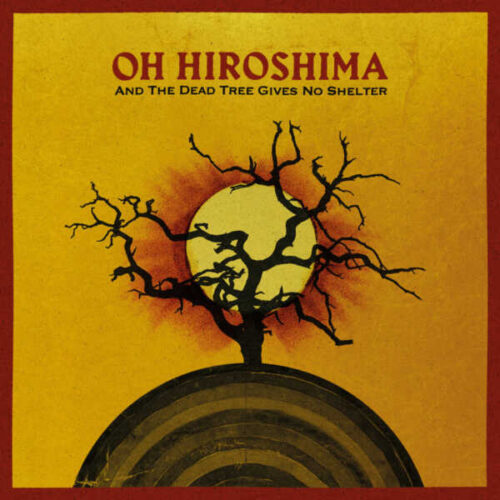
Ho sempre avuto una specie di fissazione per gli alberi. Non so bene perché, sarà che rispetto al rumore delle nostre piccole esistenze gli alberi hanno un modo così pacifico ed elegante di stare al mondo. Nella fretta di tutti i giorni mi capita spessissimo di fermarmi ad osservare le chiome rigogliose che oscillano al vento e ogni volta è come se l’anima si sentisse più al sicuro. Gli alberi spogli, invece, mi hanno sempre trasmesso un profondo senso di vulnerabilità. L’immagine dei rami nudi rivolti al cielo come mani tese nel vuoto mi ha sempre fatto pensare alla bellezza desolata di un vecchio riparo che ormai non protegge più da tempo. Con And the Dead Tree Gives No Shelter, il sesto disco degli Oh Hiroshima, ci si addentra proprio in questo tipo di sensazioni. Lo suggerisce già la copertina: quell’albero solitario stagliato contro un sole pallido mi ha fatto subito pensare all’artwork di quel capolavoro di Solace dei Jakob, anche se lì lo sfondo era rosso. ll titolo riprende un verso di The Waste Land di T.S. Eliot, e per Jakob Hemström, compositore principale del gruppo, quell’albero senza vita è la metafora di una sorta di chiusura verso il mondo. Quando non si intravede alcuna via d’uscita concreta dalle difficoltà, si tende a sviluppare questa specie di corazza di cinismo per autodifesa: per evitare di provare nuove delusioni può capitare di isolarsi, di fatto precludendosi proprio le esperienze più autentiche che rendono la vita degna di essere vissuta. Una solitudine che gli Oh Hiroshima conoscono bene anche nei fatti: usciti dal gruppo il chitarrista fondatore e il bassista, al fianco di Hemström è rimasto il solo fratello Oskar Nilsson alla batteria; stavolta, però, hanno chiamato a bordo una decina di musicisti, sporcando il loro DNA post-rock con una fortissima contaminazione progressive. Il tutto a soli due anni da All Things Shining, che considero tutto sommato un buon disco, ma che ad onor del vero in alcuni punti mi aveva trasmesso una certa ripetitività.
Mi sono dunque avvicinato a questo nuovo lavoro con molta curiosità, e fin da subito ci ho trovato dentro un’energia che rende l’ascolto molto meno nichilista di quanto il titolo lascerebbe immaginare. Disseminata tra i brani ho percepito questa forte determinazione a lasciarsi alle spalle i rami secchi della nostra esistenza; l’intero lavoro vive di questa continua contrapposizione tra momenti chiusi su se stessi e repentine impennate d’energia, in cui le sezioni di decadenza si rimettono improvvisamente in moto, allontanandosi di fatto da una staticità del tutto intenzionale. Quando questo equilibrio funziona, l’album tocca vette molto alte; in “Skeleton Key”, ad esempio, l’ambizione prog si fonde benissimo con lo stile della band: l’inizio col basso distorto costruisce un’atmosfera molto tesa, che è impreziosita dal cantato trascinante di Hemström; entrano poi le percussioni, e quella tensione trova sfogo solo nelle aperture delle chitarre. Sezioni molto diverse tra loro coesistono e si succedono con naturalezza; sul finale ci sono anche dei cori bellissimi che lasciano spazio a un inaspettato rientro di sonorità pesanti. Pregevole anche la velata malinconia dal sapore quasi folk di “Ivory Town”, pezzo molto emozionante, in cui le trame iniziali si adagiano sulle note di pianoforte di Jarl Furingsten e su arrangiamenti d’archi eterei. L’atmosfera nostalgica e l’incedere del brano mi hanno ricordato gli Opeth di Damnation, ma ci ho sentito anche un po’ Steven Wilson e i Lunatic Soul di Mariusz Duda. In termini emotivi spicca la fragilità che caratterizza tutto il soundscape, prima della conclusione decisamente più terrena; anche qua, ci sento una forte voglia di scrollarsi di dosso ogni inquietudine per potersi rimettere in cammino. È infatti una speranza realista quella che sento nell’anima dei pezzi più riusciti, una sorta di pragmatismo radicato nei passi necessari da compiere per cercare un nuovo riparo. Si percepisce anche nella sensazione di movimento di “Meridian”, traccia dal forte piglio progressive dove l’andamento concitato tra chitarra acustica e riff cristallini si apre in un passaggio più contemplativo. Nel gioco speculare tra i due canali stereo, la chitarra ritmica a sinistra sembra quasi la pacca sulla spalla di un amico che ti dice che è ora di andare altrove senza indorare la pillola, qualunque sia l’ostacolo, prima che l’intensità della voce sigilli il finale preservandone tutta la gravitas. Ma l’apoteosi di queste nuove influenze secondo me è tutta nei sette minuti di “Exit Cloud”, indubbiamente il mio brano preferito del lotto. La tensione si avverte fin dai primi secondi, in un crescendo gigantesco e quasi sinfonico dai tratti post-metal, spezzato all’improvviso da un cambio clamoroso (il primo di una lunga serie): i riff pieni di delay di chitarra pulita corrono impazziti ai lati opposti dello stereo, poi si insinua una progressione d’archi quasi orientale che sancisce il momento esatto in cui la luce della speranza fa breccia nel muro sonoro, rendendo tutto meravigliosamente imprevedibile. È solo a questo punto che entra la voce, con un timbro che richiama il Mikael Åkerfeldt più melodico e clean, ed è usata quasi come uno strumento ad accompagnare la traccia verso l’esplosione finale. Una vera e propria valanga che mi ha restituito lo stesso rapimento sensoriale provato all’epoca di In Silence We Yearn, anche se paradossalmente non ho mai sentito gli Oh Hiroshima suonare così liberi. Il rovescio della medaglia di questa libertà, nel disco, è che questo espandersi verso strutture meno canoniche mostra il fianco nei momenti in cui la band esaspera i tempi di stallo, scivolando in una tensione stanca che finisce per girare a vuoto. È ciò che accade a “Broken Sunlight”, un pezzo che non riesce a giustificare la ripetitività della sua parte centrale; il lick principale di chitarra pulita non convince e la ripartenza del basso saturo in stile prog non basta a salvare un pay-off che arriva troppo tardi. Una stanchezza simile affiora anche nel bridge di “Tree of Life”, dove le stesse battute si ripetono per quattro volte consecutive nell’attesa di un cambio che, quando arriva, suona interessante ma decisamente sbilenco e poco rifinito, lasciando la sensazione che servisse ancora lavorarci. E in tutto ciò, va fatta una riflessione a parte sulla gestione della voce. Gli Oh Hiroshima hanno sempre utilizzato il canto in modo impressionistico, trattandolo come una trama distante immersa nel mix. Dove l’album scivola verso la forma-canzone tradizionale, spingendo le linee vocali in primo piano come in “Angelos” o nella stessa “Broken Sunlight”, la musica a tratti si mette pigramente al servizio del cantato, e le progressioni si fanno, per i miei gusti, un po’ troppo convenzionali. Il problema non è tanto la presenza della voce, quanto più nel suo peso dentro il brano: in “Servant of All”, ad esempio, la voce è presente e riveste un ruolo importante al pari di tutti gli altri strumenti, eppure non cade mai in quell’effetto stancante. Questo cortocircuito tende a frenare l’evoluzione di certi passaggi, banalizzando un pochino il sound proprio dove l’album avrebbe beneficiato di qualche guizzo in più.
Nonostante questo, And the Dead Tree Gives No Shelter resta un lavoro decisamente più ispirato rispetto al suo predecessore. Se in All Things Shining la scelta di incupire troppo il sound e tenerlo più chiuso aveva finito per appiattire alcuni brani chiave, qui la produzione fa un netto passo in avanti, trovando finalmente una maggiore apertura sonora e una brillantezza che l’altra volta a tratti mancavano. In questo senso, la terza collaborazione consecutiva con Magnus Lindberg si rivela decisiva: il suo nitidissimo lavoro di mix e mastering valorizza un disco che vive di picchi qualitativi importanti e che ha il pregio di non crogiolarsi nel proprio dolore, offrendo a chi ascolta una spinta concreta a reagire e a non sentirsi bloccati. Peccato solo per quei passaggi in cui i rallentamenti mancano di mordente; credo che per il futuro gli Oh Hiroshima dovrebbero prendersi un po’ più di tempo per tagliare anche dai propri brani qualche ramo secco di troppo. Resta il fatto che quando i due svedesi decidono di rischiare, la bellezza selvaggia della loro musica travolge ogni cosa, confermando l’indiscusso valore di una band che sa ancora come emozionare.
I’ve always had a sort of obsession with trees. I’m not quite sure why, perhaps it’s because, compared to the noise of our busy little lives, trees have such a peaceful and elegant way of existing in the world. In the rush of everyday life, I often find myself stopping to watch the lush foliage swaying in the wind, and every time, it’s as if my soul feels safer. Bare trees, on the other hand, have always conveyed a deep sense of vulnerability to me. The image of bare branches reaching toward the sky like hands stretched out into the void has always made me think of the desolate beauty of an old shelter that hasn’t offered protection for quite some time. With And the Dead Tree Gives No Shelter, the sixth album by Oh Hiroshima, we delve right into this kind of feeling. The cover already hints at this: that solitary tree silhouetted against a pale sun immediately reminded me of the artwork for Solace, the masterpiece by Jakob, even though the background there was red. The title draws on a line from The Waste Land by T.S. Eliot, and for Jakob Hemström, the band’s main composer, that lifeless tree is a metaphor for a kind of withdrawal from the world. When no concrete way out of difficulties is in sight, one tends to develop this sort of armor of cynicism as a form of self-defense: to avoid further disappointment, one may isolate oneself, effectively shutting out the very authentic experiences that make life worth living. A loneliness that Oh Hiroshima know all too well in reality: with the founding guitarist and bassist having left the group, only Hemström’s brother Oskar Nilsson remains on drums; this time, however, they’ve brought a dozen musicians on board, infusing their post-rock DNA with a strong progressive influence. All this just two years after All Things Shining, which I consider, all things considered, a good album, but which, to be honest, felt somewhat repetitive in places.
I therefore approached this new work with great curiosity, and right from the start I found an energy within it that makes listening to it far less nihilistic than the title would suggest. Scattered throughout the tracks, I sensed this strong determination to leave behind the dead weight of our existence; the entire work thrives on this constant contrast between moments of introspection and sudden bursts of energy, where the sections of decay suddenly spring back into motion, effectively moving away from a completely intentional stillness. When this balance works, the album reaches great heights; in “Skeleton Key,” for example, the prog ambition blends perfectly with the band’s style: the opening with the distorted bass builds a very tense atmosphere, which is enhanced by Hemström’s compelling vocals; then the percussion kicks in, and that tension finds release only in the guitar riffs. Sections that are very different from one another coexist and follow one another naturally; the finale also features beautiful backing vocals that give way to an unexpected return of heavy sounds. Also noteworthy is the veiled melancholy with an almost folk flavor of “Ivory Town,” a very moving track in which the opening textures rest on the piano notes of Jarl Furingsten and ethereal string arrangements. The nostalgic atmosphere and the song’s progression reminded me of Opeth’s Damnation, but I also detected a touch of Steven Wilson and Lunatic Soul by Mariusz Duda. Emotionally, the fragility that characterizes the entire soundscape stands out, before the decidedly more earthly conclusion; here too, I sense a strong desire to shake off all anxiety in order to get back on the road. It is, in fact, a realistic hope that I feel in the soul of the most successful tracks, a sort of pragmatism rooted in the necessary steps to take in search of a new shelter. It is also perceptible in the sense of movement in “Meridian,” a track with a strong progressive feel where the frantic interplay between acoustic guitar and crystalline riffs opens into a more contemplative passage. In the interplay between the two stereo channels, the rhythm guitar on the left almost feels like a friend’s pat on the back telling you it’s time to move on without sugarcoating it, whatever the obstacle, before the intensity of the vocals seals the finale, preserving all its gravitas. But in my opinion, the culmination of these new influences lies entirely in the seven minutes of “Exit Cloud,” undoubtedly my favorite track on the album. The tension is palpable from the very first seconds, in a massive, almost symphonic crescendo with post-metal elements, suddenly broken by a dramatic shift (the first of many): the delay-laden clean guitar riffs race wildly to opposite sides of the stereo, then an almost oriental string progression creeps in, marking the exact moment when the light of hope breaks through the wall of sound, making everything wonderfully unpredictable. It is only at this point that the vocals enter, with a tone reminiscent of the more melodic and clean Mikael Åkerfeldt, and are used almost as an instrument to accompany the track toward the final explosion. A veritable avalanche that gave me back the same sensory rapture I felt back in the days of In Silence We Yearn, even though, paradoxically, I’ve never heard Oh Hiroshima play so freely. The flip side of this freedom on the album is that this expansion toward less conventional structures leaves the band vulnerable in moments when they overdo the lulls, slipping into a weary tension that ends up spinning its wheels. This is what happens on “Broken Sunlight,” a track that fails to justify the repetitiveness of its central section; the main clean guitar lick isn’t convincing, and the restart of the saturated prog-style bass isn’t enough to save a payoff that comes too late. A similar weariness also surfaces in the bridge of “Tree of Life,” where the same bars are repeated four times in a row while waiting for a change that, when it arrives, sounds interesting but decidedly lopsided and unpolished, leaving the feeling that it still needed work. And in all this, a separate reflection must be made on the handling of the vocals. Oh Hiroshima have always used vocals in an impressionistic way, treating them as a distant texture immersed in the mix. Where the album veers toward the traditional song form, pushing the vocal lines to the forefront as in “Angelos” or “Broken Sunlight” itself, the music at times lazily serves the vocals, and the progressions become, for my taste, a bit too conventional. The problem isn’t so much the presence of the vocals as their weight within the track: in “Servant of All,” for example, the vocals are present and play an important role on par with all the other instruments, yet they never fall into that tiring effect. This short-circuit tends to slow down the development of certain passages, trivializing the sound just a bit where the album would have benefited from a few more flashes of brilliance.
Despite this, And the Dead Tree Gives No Shelter remains a decidedly more inspired work than its predecessor. While in All Things Shining the decision to darken the sound too much and keep it more closed off ended up flattening some key tracks, here the production takes a clear step forward, finally finding a greater sonic openness and a brilliance that were at times lacking last time. In this sense, the third consecutive collaboration with Magnus Lindberg proves decisive: his crystal-clear mixing and mastering work enhances an album that thrives on significant peaks of quality and has the merit of not wallowing in its own pain, offering listeners a concrete push to react and not feel stuck. It’s just a shame about those passages where the slowdowns lack bite; I think that in the future, Oh Hiroshima should take a little more time to prune a few too many dead branches from their songs. The fact remains that when the two Swedes decide to take a risk, the wild beauty of their music sweeps everything away, confirming the undisputed value of a band that still knows how to move people.