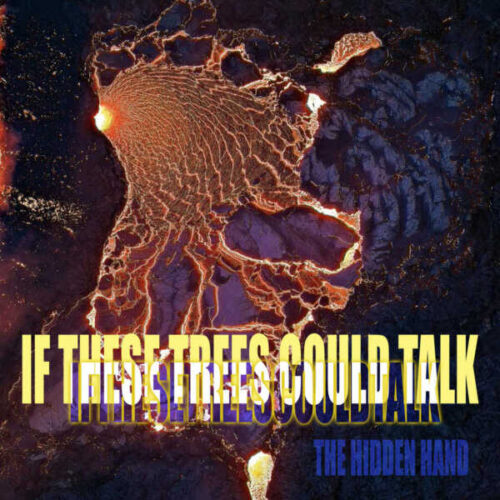
The Hidden Hand
If These Trees Could Talk
- Etichetta
- Metal Blade Records
- Anno
- 2026
- Pubblicata su
- GrindOnTheRoad
Sono veramente già passati dieci anni da The Bones of a Dying World? Dove è andato a finire il tempo? Ci ho messo un po’ a organizzare i pensieri per scrivere questa recensione, perché gli If These Trees Could Talk sono una delle mie band post-rock preferite e ovviamente l’oggettività ne risente. Il fatto è che se ho voglia di ascoltare del post-rock loro sono una delle prime band che mi vengono in mente, ancor prima dei mostri sacri del genere. Forse per il moniker, tra i più evocativi di sempre, ma anche per la forza travolgente del loro sound, che alterna bordate heavy che tengono inchiodati a terra a momenti di totale sospensione onirica. Questo è l’album numero cinque e, se si esclude il (bellissimo) singolo “Trail of Whispering Giants” uscito due anni fa, mi fa un certo effetto poter riascoltare un loro nuovo disco dopo tutto questo tempo. Parto emozionato e già mi ritrovo a fantasticare sul nome: The Hidden Hand. “La mano nascosta”. Mi chiedo perché abbiano scelto l’aggettivo ‘nascosta’, piuttosto che ‘invisibile’. Se questa mano è semplicemente nascosta magari riusciremo a intravederla, se sapremo osservare bene.
Parte “Archons” e sono subito brividi. I pad morbidi trasmettono una calma ultraterrena, e con questa chitarra in tremolo che si affaccia timidamente in lontananza già mi sento a casa. Ma io che The Bones of a Dying World l’ho consumato (nonostante il mio album preferito sia Red Forest), in questa breve intro ambient sento proprio una prosecuzione naturale delle atmosfere di quel disco. Il mondo non se la passa tanto bene ma non è morto come suggeriva il titolo, forse giusto un po’ ammaccato, per usare un eufemismo… ma in ogni caso gli alberi stanno per parlare di nuovo, e sono pronto ad ascoltarli. E infatti la transizione fluida mi porta dentro l’irruenza post-rock di “Moon Machine”, e improvvisamente non sono più sulla terra: sto osservando il nostro pianeta da qualche avamposto in rovina sulla luna; intorno ci sono questi ritornelli dal suono tagliente, questi tremoli nervosi ricoperti di ghiaccio, selvaggi e inafferrabili come il pulviscolo. Le sonorità irresistibili di queste chitarre che si rincorrono e sprofondano a tutta velocità nelle profondità dei crateri lunari, in volo libero in mezzo a cunicoli oscuri e poi di nuovo nella calma della superficie, cariche di luce. Il senso profondo di movimento e scoperta mi riporta sulla terra, ma è un sogno lucido; partono le note pulite di “Sea of Glass” e mi sembra di ammirare la delicatezza di una pacifica alba. La dolcezza di questa melodia che si adagia nella mente trasmettendo serenità, il suono delle corde sfregate. E poi questi fraseggi di chitarra elettrica che scuotono le fondamenta, il palesarsi di un bridge clamoroso con la batteria marziale che apre la visuale su nuove contemplazioni ipnotiche. E sempre chitarre lontane a indicare la via in mezzo al fumo. Tra sogno e realtà riesco a vedere la mano nascosta in mezzo alla nebbia, mi sta indicando la direzione; nel paesaggio sonoro ci sono cumuli di detriti e di foglie, mentre le variazioni nei riff di chitarra e le cascate di delay sincopati hanno il sapore imprevedibile del vento che le fa oscillare, quasi prendendosene cura. E mi sembra quasi di vederlo, questo affascinante mare di vetro, questa distesa di suono sconfinata e fragilissima. C’è forse una bellezza più grande di quella che potrebbe dissolversi da un momento all’altro? Non fa sconti neanche “Blurry Creatures”, con questo coro trionfale che canta la melodia principale incastonandosi subito nella mente, con il suono del rullante che cresce insieme ai battiti del cuore. Il dinamismo la fa da padrone, in questo gioco continuo di tensione e rilascio, nel susseguirsi di note che tengono alta l’attenzione e riff pesanti che appaiono e scompaiono come il passare delle stagioni. I fraseggi potrebbero andare avanti per sempre, e invece si interrompono con una breve coda post-metal, prima del momento che mi ha fatto venire la pelle d’oca sin dal primo ascolto e che credo lo farà ogni volta. “Silence Between Mountains”. Un pezzo bellissimo diviso in due, gli IFTTCT al massimo della loro arte. L’atmosfera della prima parte è quasi sacrale, la delicatezza delle melodie mi ricorda quella meraviglia di “The Here and Hereafter” dall’album precedente. Quanta nostalgia in queste linee di chitarre interconnesse, quanta vita in questi dettagli. Sullo sfondo una chitarra con tremolo resta lontana alla vista, quasi impercettibile, eppure da subito impressa nel cuore. D’altronde gli IFTTCT sono anche questa delicatezza, questi momenti di raccoglimento che sfiorano emozioni antiche. Quanto mi mancavano questi fraseggi eterei, fatti di note effimere che come stelle baluginano un istante per poi smarrirsi nella fugacità del tempo. Perso nelle emozioni che mi suscita questa meraviglia, penso che se davvero gli alberi potessero parlare, questo è ciò che sentiremmo. Mi sento purificato da questi tre minuti. La transizione nella seconda parte è fluida, intorno aria fresca e ossigeno, lo sguardo che si perde in lontananza nella trama ambient. Entra la batteria, e con lei una commozione improvvisa che non riesco a spiegarmi. Quello che mi fa impazzire qui è il contrasto tra il velato ottimismo delle linee di chitarra e la malinconia della chitarra in tremolo, tenute insieme dalla solennità della sezione ritmica. Fluiscono tante di quelle emozioni qui, e nell’istante più sospeso, con una sola chitarra a ripetere la desolazione della progressione, nel rapimento più profondo, ecco giungere un lampo elettrico che fende il cielo. I tom della batteria ruggiscono. Le montagne hanno interrotto il loro silenzio, stanno urlando qualcosa in una lingua incomprensibile. E che però disvela tutta la loro anima. Non si può afferrare lo spirito tagliente di queste tre chitarre impazzite, che dipingono un climax elettrico da brividi. Da qui in poi ho la certezza che la mano non sia più così nascosta; riesco a vederla mentre mi indica la via, che mi trascina verso le atmosfere vagamente anni Ottanta di “Metanoia”. Tutto intorno il delay dei migliori episodi di Red Forest, con un particolare senso di velocità impresso nella sezione ritmica. Il suono si sposa benissimo con il titolo: la parola metanoia (dal greco metanoéō, “cambiare idea” o “andare oltre la mente”) sta a significare un mutamento nel modo di pensare, sentire o giudicare le cose, una sorta di rinascita spirituale. Trovarla in scaletta dopo il pathos di “Silence Between Mountains” non credo sia casuale. È un’emozione nuova che risolve l’atmosfera più tesa del disco; ci sento dentro il post-rock più sereno degli A Sudden Burst of Colour e di certi Prey for Sound. In chiusura resto persino spiazzato dalla bellezza di un assolo molto pinkfloydiano; poi arriva “Flim”, che all’inizio mi ricorda la gioia spensierata di “Hoppípolla” dei Sigur Rós, prima di scoprire che si tratta di una reinterpretazione in chiave post-rock dell’omonimo brano di Aphex Twin. È pazzesco come un brano nato per l’elettronica mantenga intatta la sua forza anche nel linguaggio più chitarristico del post-rock. Il cuore adesso è più leggero e riesce a sentire di più, e la mano, ormai perfettamente visibile, mi indica un ultimo messaggio, due parole vergate nella dolcezza di una chiusura delicata: “Endlessly Connected”. Essere connessi in eterno può essere un rifugio o una condanna; la melodia si muove esattamente in questo spazio ambiguo di sospensione, alternando arpeggi caldi a flessioni più nostalgiche, prima di lasciare che tutto sfumi in un silenzio carico di risonanze.
Tirando le somme, The Hidden Hand è il ritorno che speravo di ascoltare e anche molto di più. Dieci anni di attesa sono stati lunghi, ma una cosa è certa: gli If These Trees Could Talk sono vivi e lottano in mezzo a noi. Il senso di epico che riescono a costruire con la loro musica è lo stesso di sempre, i loro crescendo continuano a scavare solchi profondi nell’anima. Rispetto al passato, però, percepisco una maggiore serenità in questo album, come se la tensione si fosse ammorbidita da qualche parte lungo il cammino. Il tempo passa per tutti, si sa, e dopo dieci anni si può smettere di inseguire a tutti i costi la gravitas nel proprio suono, per iniziare piuttosto a cercare gli spiragli di pace che vi si nascondono. La mano nascosta, alla fine, voleva solo mostrarci questo: che c’è una forza enorme anche nel saper fare spazio alla delicatezza.
Has it really been ten years since The Bones of a Dying World? Where did the time go? It took me a while to organise my thoughts for this review, because If These Trees Could Talk are one of my favourite post-rock bands and objectivity obviously suffers. The thing is, when I feel like listening to post-rock they are one of the first bands that come to mind, even before the giants of the genre. Maybe it's the name, one of the most evocative ever, but it's also the overwhelming force of their sound, which alternates heavy broadsides that keep you nailed to the ground with moments of total dreamlike suspension. This is album number five and, apart from the (beautiful) single "Trail of Whispering Giants" released two years ago, it feels strange to be able to hear a new record of theirs after all this time. I start out excited and already find myself daydreaming about the title: The Hidden Hand. I wonder why they chose the word "hidden" rather than "invisible". If this hand is simply hidden, maybe we'll manage to glimpse it, if we know how to look closely.
"Archons" begins and the chills come at once. The soft pads convey an otherworldly calm, and with this tremolo guitar peeking out shyly in the distance I already feel at home. But since I wore out The Bones of a Dying World (even though my favourite album is Red Forest), in this short ambient intro I hear a natural continuation of that record's atmospheres. The world isn't doing so well, but it isn't dead as that title suggested, maybe just a bit battered, to put it mildly… in any case the trees are about to speak again, and I'm ready to listen. And indeed the seamless transition carries me into the post-rock impetus of "Moon Machine", and suddenly I'm no longer on Earth: I'm watching our planet from some ruined outpost on the moon; all around are these sharp-sounding refrains, these nervous tremolos coated in ice, wild and elusive like dust. The irresistible sound of these guitars chasing each other and plunging at full speed into the depths of lunar craters, flying free through dark tunnels and then back into the calm of the surface, charged with light. The deep sense of movement and discovery brings me back to Earth, but it's a lucid dream; the clean notes of "Sea of Glass" begin and I seem to be admiring the delicacy of a peaceful dawn. The sweetness of this melody that settles in the mind and conveys serenity, the sound of scraped strings. And then these electric guitar phrases that shake the foundations, the arrival of a stunning bridge with martial drums that opens the view onto new hypnotic contemplations. And always distant guitars pointing the way through the smoke. Between dream and reality I can see the hidden hand in the fog, pointing me in a direction; in the soundscape there are heaps of debris and leaves, while the variations in the guitar riffs and the cascades of syncopated delay have the unpredictable flavour of the wind that makes them sway, almost taking care of them. And I can almost see it, this fascinating sea of glass, this boundless and fragile expanse of sound. Is there any beauty greater than one that could dissolve at any moment? "Blurry Creatures" doesn't hold back either, with a triumphant choir singing the main melody that lodges itself in your mind straight away, and the snare growing together with your heartbeat. Dynamism rules here, in this constant game of tension and release, in a succession of notes that keep your attention high and heavy riffs that appear and disappear like the passing of the seasons. The phrases could go on forever, and instead they break off with a short post-metal coda, before the moment that gave me goosebumps from the very first listen and that I think always will. "Silence Between Mountains". A beautiful piece in two parts, IFTTCT at the height of their art. The atmosphere of the first part is almost sacred; the delicacy of the melodies reminds me of that marvel "The Here and Hereafter" from the previous album. So much nostalgia in these interlocking guitar lines, so much life in these details. In the background a tremolo guitar stays far from view, almost imperceptible, yet immediately etched in the heart. After all, IFTTCT are this delicacy too, these moments of reflection that brush against ancient emotions. How I missed these ethereal phrases, made of fleeting notes that, like stars, flicker for an instant and then get lost in the transience of time. Lost in the emotions this marvel stirs in me, I think that if trees really could talk, this is what we would hear. I feel purified by these three minutes. The transition into the second part is seamless, fresh air and oxygen all around, the gaze losing itself in the distance of the ambient texture. The drums come in, and with them a sudden emotion I can't explain. What drives me crazy here is the contrast between the veiled optimism of the guitar lines and the melancholy of the tremolo guitar, held together by the solemnity of the rhythm section. So many emotions flow here, and at the most suspended moment, with a single guitar repeating the desolation of the progression, in the deepest rapture, comes an electric flash that splits the sky. The toms roar. The mountains have broken their silence; they are shouting something in an incomprehensible language that nonetheless reveals their whole soul. There's no grasping the cutting spirit of these three frenzied guitars, painting a spine-tingling electric climax. From here on I'm certain the hand is no longer so hidden; I can see it showing me the way, pulling me towards the vaguely eighties atmosphere of "Metanoia". All around, the delay of Red Forest's best moments, with a particular sense of speed stamped on the rhythm section. The sound fits the title perfectly: the word metanoia (from the Greek metanoéō, "to change one's mind" or "to go beyond the mind") means a change in the way of thinking, feeling or judging things, a kind of spiritual rebirth. I don't think finding it in the tracklist after the pathos of "Silence Between Mountains" is a coincidence. It's a new emotion that resolves the record's tensest atmosphere; in it I hear the more serene post-rock of A Sudden Burst of Colour and some Prey for Sound. At the close I'm even caught off guard by the beauty of a very Pink Floyd-like solo; then comes "Flim", which at first reminds me of the carefree joy of Sigur Rós' "Hoppípolla", before I discover it's a post-rock reinterpretation of the Aphex Twin track of the same name. It's amazing how a piece born for electronics keeps its strength intact even in post-rock's more guitar-driven language. My heart is lighter now and able to feel more, and the hand, by now perfectly visible, shows me one last message, two words written in the sweetness of a delicate ending: "Endlessly Connected". Being connected forever can be a refuge or a sentence; the melody moves exactly in this ambiguous space of suspension, alternating warm arpeggios with more nostalgic turns, before letting everything fade into a silence full of resonance.
All things considered, The Hidden Hand is the comeback I hoped to hear and much more. Ten years of waiting were long, but one thing is certain: If These Trees Could Talk are alive and fighting among us. The sense of the epic they build with their music is the same as ever; their crescendos keep carving deep grooves in the soul. Compared with the past, though, I sense a greater serenity in this album, as if the tension had softened somewhere along the way. Time passes for everyone, as we know, and after ten years you can stop chasing gravitas in your sound at all costs and start looking instead for the glimmers of peace hidden within it. In the end, the hidden hand only wanted to show us this: that there is enormous strength in knowing how to make room for delicacy.