There Lingers One Who’s Long Forgotten
Black Narcissus
- Etichetta
- Dunk!records
- Anno
- 2025
- Pubblicata su
- GrindOnTheRoad
Certi album sembrano avere un’anima tutta loro: per un periodo li ascolti di continuo, poi li metti da parte senza un vero motivo. Passano mesi e qualcosa di inspiegabile ti ci riporta, come se avessero scelto loro il momento giusto per tornare. Mi è successo di recente con There Lingers One Who’s Long Forgotten, uscito un anno fa. All’epoca mi aveva preso subito; lo consumavo tra passeggiate al lago e camminate nella natura, nei primi giorni di primavera. Poi la vita ha preso altre direzioni e quel disco è rimasto in disparte, finché, in questi giorni invernali, mi sono ritrovato con una voglia forte di riascoltarlo e di scriverne.
Dietro questo titolo così suggestivo si cela il duo belga Black Narcissus, arrivato qui al terzo album. Si tratta di un progetto abbastanza unico, perché non ci sono chitarre; il principale strumento melodico dei loro lavori è il basso, le cui linee sono sovrapposte: c’è quello suonato in modo tradizionale a sostegno della sezione ritmica e quello suonato sulle corde alte a mo’ di chitarra. L’assenza delle frequenze medie tipiche delle chitarre nel panorama stereo rende tutto molto più ovattato, in una specie di aura sacrale dai tratti molto intimi. I toni caldi del basso di Jesse Massant, dunque, oltre alla batteria sopraffina di Thomas Wuyts, sono tutto ciò di cui hanno bisogno i Nostri per comporre una musica molto evocativa che descrive il rapporto indissolubile che lega l’uomo e la natura.
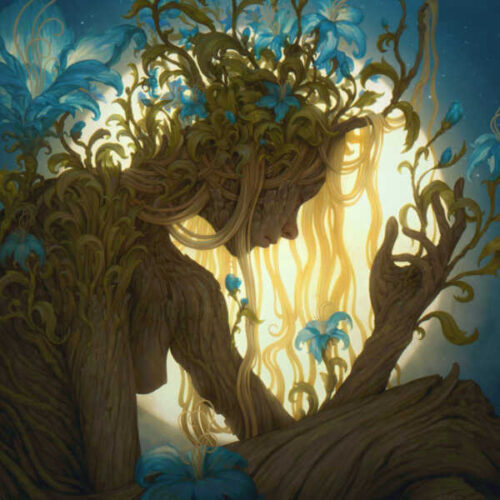
Li ho scoperti nel 2020, in piena pandemia, con l’album Where The Flowers Grant You Wishes: in quel disco ci sono due perle assolute come “The Breathless Hour” e “In A Forest Of Nothingness I Found Myself”, brani dal sapore introspettivo che riascolto sempre con molto piacere. E che dire degli artwork? Sono tutti estremamente simbolici: vi sono rappresentate creature ibride fantastiche, per lo più elementi della natura con volti o espressioni umane, come se alberi dal tronco millenario e distese di fiori potessero provare emozioni o descrivere le insondabili sfaccettature dell’anima che proviamo noi esseri umani. La musica dei Black Narcissus mi dà sempre la sensazione di disvelare un racconto tra il reale e l’immaginario: c’è una vibrazione mitologica, a tratti ancestrale, in quella che sembra una ideale colonna sonora per ricordi antichi di qualcosa che forse non si è mai vissuto veramente. E questi racconti prendono forma affidandosi interamente ai suoni e ad una meticolosa costruzione atmosferica, che accarezza trame post-rock e vive negli equilibri tra il blackgaze affine agli Alcest e il folk degli Opeth più acustici e progressive.
Ma mai come in questo caso il mio consiglio è quello di lasciar stare i generi musicali e gli eventuali preconcetti che si possano avere a riguardo, e di accettare fin da subito tempi lunghi e strutture mutevoli dei brani come parte essenziale di un ascolto che saprà regalare davvero tantissime emozioni. Si parte con “On This Twilight Evening”: il tono è sinistro e misterioso, i fraseggi delle note alte di basso che parlano a eoni di distanza hanno i tratti di un antico presagio: ascoltando, mi sembra quasi di poter osservare timidi spiragli di luci che si allontanano, scanditi da percussioni che sanno quando lasciare spazio alle corde del basso. E poi le distorsioni che si insinuano come rovi, scavalcando la delicatezza di certe note, tra colpi di cassa ripetuti che accelerano con la furia del black metal più contaminato di etereo. E tutto intorno, riverberi spaziosi e fraseggi in delay che catturano nostalgie perdute, dissolvendosi nel panorama sonoro per poi tornare a scompigliare l’anima con una nuova energia.
Col cuore aperto ci si ritrova poi ad ascoltare un pezzo grandioso quale “Draped in Ivy, Guilded by Time” (quanta poesia in questo titolo!). Un sentore accennato di malinconia, seguito da una melodia più luminosa che descrive il sincero entusiasmo di guardarsi intorno, osservando i ritmi naturali dell’esistenza: un tutt’uno con i colori e con l’equilibrio etereo circostante. E di nuovo la mente vaga: ci sono alberi immobili che osservano il movimento impercettibile delle onde di un lago, note che seguono con delicatezza l’incedere del tempo, e una musica che ne lascia affiorare gli effetti sulla natura e sulle anime degli uomini. C’è anche una timida euforia che fa capolino nella bellezza, tra pattern di batteria efficaci e spiragli di catarsi splendenti. I pezzi non si fissano mai su un certo umore, è come se ci fosse sempre questa sorta di imprevedibilità che permette a sezioni nuove di apparire con fluidità, come se fossero spinte da un vento leggero. È una sensazione di rinnovamento continuo, come nella vita: e infatti mi sembra di poter osservare una discreta pioggia che impercettibilmente si posa sulle foglie degli alberi, scendendo sulla corteccia e arrivando a sfiorare l’erba. La batteria che torna con la sua calma solenne e il suo mistero inafferrabile, poi di nuovo il silenzio che precede una nuova sezione, di disarmante bellezza: note lontane abbracciano la progressione principale, che trova forza nei pattern dinamici delle percussioni.
“These Hands That Build”: la nebbia è di nuovo fitta, i colpi ai ride e il basso usato a mo’ di chitarra, protagonista di un suono arpeggiato, il sample di una voce a metà. L’atmosfera è sempre più mistica, l’apertura del suono qui è delicata e l’arpeggio del basso a metà brano è commovente; riff lontani in slide guidano verso la conclusione, in cui il calore del suono sembra quasi farsi materia, finalmente, come se le mani avessero costruito qualcosa di saldo, un rifugio che potrà resistere alle avversità del tempo. Ma ecco all’improvviso un tuono in lontananza, e il rumore della pioggia che si intensifica: con “Something Strange and Eternal” siamo di nuovo in territori di misticismo, i pad e i piatti sfiorati dalla batteria dipingono una sensazione di minaccia che sfocia nella distorsione più incontaminata. Eccola qui la tensione primordiale e il senso di minaccia. Ecco il rumore del temporale che imperversa, la cassa che vibra fendenti. Ecco forze più grandi di noi che fanno tremare i feedback, ecco il pericolo dei colpi al rullante massicci e la deflagrazione che porta al silenzio. In chiusura, la curiosità espressiva di una melodia pulita che sembra parlare, come se si ponesse delle domande e cercasse il senso di qualcosa con una compostezza capace di mitigarne l’urgenza. Poi arriva la luce a diradare la pioggia nei fraseggi che prendono il volo, e il senso di nostalgia si dissolve nella nebbia insieme alle domande senza risposta.
“It Calls, It Beckons, It Guides Us Through the Gloom”. Un giro di note delicato, che timidamente mi invita a seguirlo e ad attraversare la foresta, a fidarmi di lui. Questa batteria saggia e potente è il mio sentiero per non smarrirmi. Questo crescendo delicato mi espone, e quando giunge la distorsione delle note alte del basso non ho paura, nemmeno quando sento l’eco di un urlo lontano tra le fronde. Perché la dolcezza di questa melodia continua a guidarmi, è il mio faro. E non importa quanto possa sentirmi smarrito nella musica, la melodia è un punto fermo che mi mantiene saldo nel percorso: mi parla e mi fa capire che va tutto bene e che non c’è nulla di cui preoccuparsi. Da qui in poi si procede spediti; le distese sconfinate non fanno più paura, lo sguardo si è abituato alle ombre della notte. Un ultimo cambiamento: corde cristalline e poche note in lontananza, quelle rassicuranti della melodia iniziale. Una voce fuori dal tempo sussurra: “What a strange end to our story”. Brividi.
“In Throes of Increasing Wonder”. L’ennesimo titolo stupendo, per un brano che inizialmente suggerisce familiarità e leggerezza per mezzo di arpeggi alle quattro corde, in un tempo sospeso tra progressioni in movimento e delicate aperture che si interrompono proprio nei momenti più inaspettati. A metà brano torna la compostezza: pattern ripetuti di batteria, accarezzati dai riff di basso, guidano i cambi di ritmo; le transizioni dei piatti vibrati sembrano foglie mosse dal vento, che si posano a terra senza far rumore. C’è anche spazio per un crescendo finale di pura atmosfera post-rock che rimanda alle aperture emotive dei This Will Destroy You del S/T, prima di rallentare e distendersi in un finale dal respiro più ampio, vicino ai Sigur Rós. “At the Mercy of Men with No Mercy at All”: furia blackgaze, batteria in doppia cassa. Qua siamo nella notte più oscura. Forse mi influenza il titolo, ma vedo ben chiara nella mente l’immagine di questi alberi millenari in preda alla furia degli uomini che decidono di eradicarli senza battere ciglio. Quelle stesse mani che avevano costruito ora sfregiano questi tronchi antichi con le fiamme, senza alcun rimorso. E infatti quando tornano le melodie pulite provo una sensazione di sollievo, qua i riff lontani sembrano dei lamenti che si concedono a malapena il lusso della speranza. C’è comunque una crescente sensazione di minaccia nelle sezioni ripetute di riff e colpi di batteria, una forma di energia primordiale che si disperde al suo culmine. Nelle note lontane che sfumano ci sento la tragicità di una conclusione inevitabile e al contempo liberatoria: d’altronde le mani possono costruire, ma possono anche distruggere. Però a volte distruggere è importante ed essenziale proprio per poter poi ricostruire.
“A Story and a Friend”: le nuvole si muovono veloci e cambiano forma in un mondo che continua a vivere, nonostante tutto. La melodia sommessa è un gioiello, e dopo questa introduzione più riflessiva ecco arrivare un riff sereno; nel paesaggio sonoro si respirano comunque tantissime emozioni trattenute: c’è un fraseggio che tenta di spiccare il volo ma è costretto a tornare a terra, i colpi al rullante restano trattenuti per poi riuscire a liberarsi. Quando i riff spezzano le catene riescono infine a spiccare il volo, con le distorsioni sottostanti che li sostengono; la nebbia non c’è più, l’anima è libera e priva di ostacoli. Gli occhi osservano con chiarezza. Un accenno di assolo, la batteria che accelera di nuovo: non ci sono generi, non c’è post-rock o metal che dir si voglia. C’è la catarsi, seguita da un ultimo giro di dolcezza melodica. Limpido, senza tempo.
Che è esattamente la natura di questo disco: nella struttura poco canonica dei brani e nel loro fiorire e sbocciare fuori dalle regole schematiche dell’uomo, come fosse una distesa irregolare di alberi, ci vedo veramente la bellezza selvaggia e corale di una foresta. E certamente di una foresta potremmo osservare i dettagli, i colori, senza attraversarla. Ma è seguendo quel richiamo e abbandonandosi a questa ora di contemplazione che potremo afferrare, anche solo per un istante, un frammento di eterno e scolpirlo nella nostra anima. Prima di lasciarlo sfumare nel silenzio.
Some albums seem to have a soul of their own: for a while you listen to them constantly, then you set them aside for no real reason. Months go by and something inexplicable brings you back to them, as if they had chosen the right moment to return. It happened to me recently with There Lingers One Who's Long Forgotten, released a year ago. At the time it grabbed me straight away; I wore it out on walks by the lake and hikes in nature, in the first days of spring. Then life took other directions and that record was left aside until, in these winter days, I found myself with a strong urge to listen to it again and write about it.
Behind this evocative title is the Belgian duo Black Narcissus, here on their third album. It's a rather unique project, because there are no guitars; the main melodic instrument on their records is the bass, with overlapping lines: one played the traditional way to support the rhythm section and one played on the high strings like a guitar. The absence of the mid frequencies typical of guitars in the stereo field makes everything much more muffled, in a sort of sacred aura with very intimate traits. The warm tones of Jesse Massant's bass, then, plus the superb drumming of Thomas Wuyts, are all the pair need to compose highly evocative music describing the unbreakable bond between humankind and nature.
I discovered them in 2020, in the middle of the pandemic, with the album Where The Flowers Grant You Wishes: that record holds two absolute gems, "The Breathless Hour" and "In A Forest Of Nothingness I Found Myself", introspective pieces I always enjoy going back to. And what about the artwork? It's all extremely symbolic: it depicts fantastic hybrid creatures, mostly elements of nature with human faces or expressions, as if trees with thousand-year-old trunks and fields of flowers could feel emotions or describe the unfathomable facets of the soul that we humans experience. Black Narcissus' music always gives me the feeling of unveiling a tale somewhere between the real and the imaginary: there's a mythological, at times ancestral vibration in what sounds like an ideal soundtrack for ancient memories of something perhaps never truly lived. And these tales take shape relying entirely on sound and on meticulous atmospheric construction, brushing against post-rock textures and living in the balance between blackgaze akin to Alcest and the folk of the most acoustic and progressive Opeth.
But never more than in this case, my advice is to forget about genres and any preconceptions you may have about them, and to accept from the start the long durations and shifting structures of the tracks as an essential part of a listen that will give you a great many emotions. It opens with "On This Twilight Evening": the tone is sinister and mysterious, and the high bass phrases speaking from aeons away have the traits of an ancient omen: listening, I can almost see shy glimmers of light drifting away, marked by percussion that knows when to leave room for the bass strings. And then the distortions creeping in like brambles, climbing over the delicacy of certain notes, amid repeated kick drum hits that accelerate with the fury of black metal laced with the ethereal. And all around, spacious reverbs and delayed phrases capturing lost nostalgia, dissolving into the soundscape and then returning to stir the soul with new energy.
With an open heart you then find yourself listening to a magnificent piece like "Draped in Ivy, Guilded by Time" (so much poetry in that title!). A hint of melancholy, followed by a brighter melody describing the sincere enthusiasm of looking around and observing the natural rhythms of existence: at one with the colours and the ethereal balance all around. And again the mind wanders: there are motionless trees watching the imperceptible movement of a lake's ripples, notes gently following the passing of time, and music that lets its effects on nature and on human souls come to the surface. There's also a shy euphoria peeking through the beauty, between effective drum patterns and shining glimpses of catharsis. The songs never settle on one mood; it's as if there were always a kind of unpredictability that lets new sections appear fluidly, as if pushed by a light breeze. It's a feeling of constant renewal, as in life: and indeed I can almost see a gentle rain settling imperceptibly on the leaves, running down the bark and reaching the grass. The drums return with their solemn calm and elusive mystery, then silence again before a new section of disarming beauty: distant notes embrace the main progression, which draws strength from the dynamic drum patterns.
"These Hands That Build": the fog is thick again, there are strikes on the ride and the bass used like a guitar, leading an arpeggiated sound, and a sample of a voice halfway through. The atmosphere grows ever more mystical, the opening up of the sound here is delicate, and the bass arpeggio midway through is moving; distant slide riffs lead towards the ending, where the warmth of the sound seems almost to become matter at last, as if the hands had built something solid, a shelter able to withstand the adversities of time. But suddenly there's thunder in the distance, and the sound of rain grows heavier: with "Something Strange and Eternal" we're back in mystical territory, the pads and the cymbals brushed by the drummer paint a sense of threat that flows into the most unspoilt distortion. Here it is, the primal tension and the sense of menace. Here's the noise of the raging storm, the kick drum vibrating like sword strokes. Here are forces greater than us making the feedback tremble, the danger of massive snare hits and the detonation that leads to silence. At the close, the expressive curiosity of a clean melody that seems to speak, as if asking itself questions and searching for the meaning of something with a composure that softens its urgency. Then the light arrives to clear the rain in phrases that take flight, and the sense of nostalgia dissolves into the fog along with the unanswered questions.
"It Calls, It Beckons, It Guides Us Through the Gloom". A delicate run of notes that shyly invites me to follow it through the forest, to trust it. These wise, powerful drums are my path so I don't get lost. This delicate crescendo exposes me, and when the distortion of the high bass notes arrives I'm not afraid, not even when I hear the echo of a distant scream among the branches. Because the sweetness of this melody keeps guiding me; it's my lighthouse. And no matter how lost I may feel in the music, the melody is a fixed point that keeps me steady on the path: it speaks to me and lets me know everything is fine and there's nothing to worry about. From here on we move briskly; the boundless expanses are no longer frightening, the eyes have grown used to the shadows of the night. One last change: crystalline strings and a few distant notes, the reassuring ones of the opening melody. A voice from outside of time whispers: "What a strange end to our story". Chills.
"In Throes of Increasing Wonder". Yet another stunning title, for a piece that at first suggests familiarity and lightness through four-string arpeggios, in a time suspended between moving progressions and delicate openings that break off at the most unexpected moments. Halfway through, composure returns: repeated drum patterns, caressed by bass riffs, guide the changes of rhythm; the transitions of vibrating cymbals sound like leaves moved by the wind, settling on the ground without a sound. There's also room for a final crescendo of pure post-rock atmosphere recalling the emotional openings of This Will Destroy You's self-titled album, before slowing down and stretching into a broader-breathing finale, close to Sigur Rós. "At the Mercy of Men with No Mercy at All": blackgaze fury, double kick drums. This is the darkest night. Maybe the title influences me, but I can clearly see in my mind these ancient trees at the mercy of the fury of men who decide to uproot them without batting an eye. Those same hands that once built now scar these ancient trunks with flames, without any remorse. And in fact when the clean melodies return I feel a sense of relief; here the distant riffs sound like laments that barely allow themselves the luxury of hope. Still, there's a growing sense of menace in the repeated sections of riffs and drum hits, a form of primal energy that disperses at its peak. In the distant notes fading away I hear the tragedy of an ending that is inevitable and at the same time liberating: after all, hands can build, but they can also destroy. Yet sometimes destroying is important, even essential, precisely so you can rebuild.
"A Story and a Friend": the clouds move fast and change shape in a world that goes on living, in spite of everything. The hushed melody is a jewel, and after this more reflective introduction a serene riff arrives; still, the soundscape breathes a great many held-back emotions: there's a phrase that tries to take flight but is forced back to the ground, the snare hits stay restrained until they manage to break free. When the riffs break their chains they finally take flight, with the distortions beneath holding them up; the fog is gone, the soul is free and unobstructed. The eyes see clearly. A hint of a solo, the drums speeding up again: there are no genres, no post-rock or metal or whatever you want to call it. There's catharsis, followed by one last round of melodic sweetness. Clear, timeless.
Which is exactly the nature of this record: in the unconventional structure of its songs and in the way they flourish and bloom outside the schematic rules of humankind, like an irregular expanse of trees, I truly see the wild, choral beauty of a forest. And of course we could observe a forest's details and colours without walking through it. But it's by following that call and surrendering to this hour of contemplation that we can grasp, even for just an instant, a fragment of the eternal and carve it into our soul. Before letting it fade into silence.