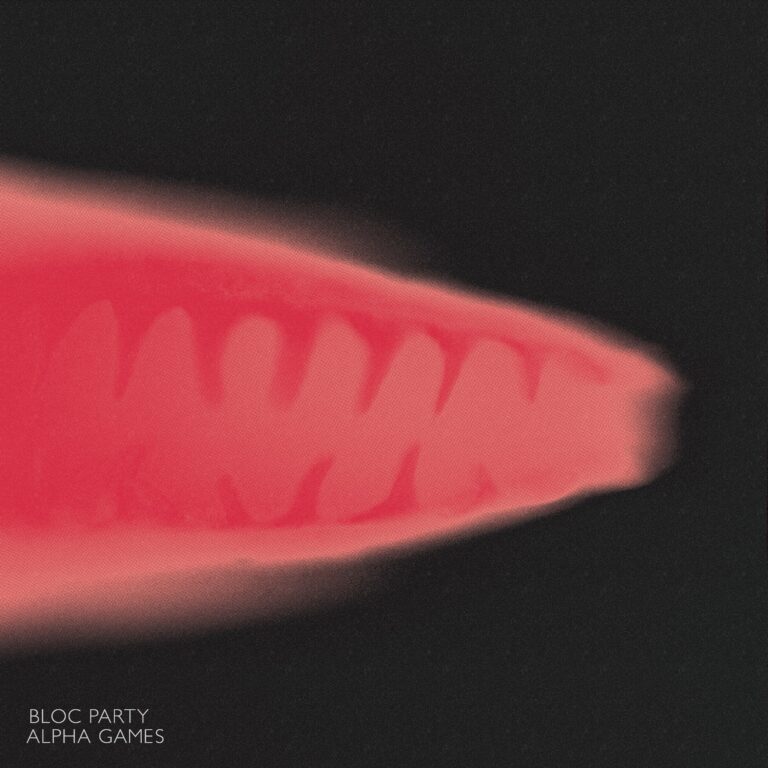
Alpha Games
Bloc Party
- Etichetta
- Infectuos/BMG
- Anno
- 2022
- Pubblicata su
- GrindOnTheRoad
Sono tornati i Bloc Party, evviva i Bloc Party. Assenti dalle scene da sei anni, i Bloc Party fanno parte di quella fucina di talentuose band indie-rock che proliferavano agli inizi degli anni Duemila: parliamo di Arctic Monkeys, The Strokes, Libertines, Interpol, The National, Franz Ferdinand e chi più ne ha più ne metta. La proposta degli inglesi è sempre stata unica in questo senso e il loro sound abbastanza riconoscibile; una sorta di connubio molto riuscito tra le divertenti sferzate chitarristiche tipiche dell’indie-rock e la carica emotiva del post-punk revival. I Bloc Party tuttavia si seppero distinguere per le loro sonorità, cariche di un’intrigante atmosfera urbana, in contrapposizione all’anima più dance/punk. La loro carriera, partita col botto, con gli anni aveva deviato un po’ dalla genialità degli inizi, tra cambi in formazione e qualche sperimentazione non troppo riuscita negli ultimi due dischi, che non convincevano moltissimo e nei quali non si aveva un’idea molto chiara delle intenzioni della band inglese. Anticipato da quattro singoli, Alpha Games è dunque il sesto album in studio per i londinesi: si tratta di un lavoro che per loro stessa ammissione cerca di ricatturare la dirompente ispirazione degli esordi. Probabilmente il tour celebrativo del 2019 dell’inarrivabile primo album, Silent Alarm, ha influito nelle scelte compositive e nelle idee che hanno portato alla nascita di questo disco. Il frontman Kele Okereke ha definito l’attuale formazione come una nuova band e non ha tutti i torti: la sezione ritmica ora beneficia in pianta stabile del bassista Justin Harris e della batterista Louise Bartle, entrambi turnisti per la band dal 2015. Va detto subito, questo fantomatico ritorno alle origini sbandierato non è soltanto una mera forma di promozione: Alpha Games è a tutti gli effetti un gran bel disco. Divertente, ispirato e immerso in un’adrenalinica atmosfera fatta di post-punk e chitarre veloci e taglienti, ritmiche ballabili e sinuose di dance-rock, riff e hook a profusione.
I primi due brani, “Day Drinker” e “Traps”, vanno dritti al sodo e spiazzano subito per la qualità. Grintosi e ispirati, con intrecci rapidissimi tra basso e chitarra e una batteria al fulmicotone: per un fan dei Bloc Party è praticamente un sogno ad occhi aperti ritrovarsi a godere degli intrecci chitarristici tra Lissack e Okereke. In tal senso soprattutto “Day Drinker”, brano d’apertura, non avrebbe affatto sfigurato in Silent Alarm, con quella parte vocale quasi rap e il ritornello aperto e corposo; “Traps”, non è da meno: una mina pulsante piena di chitarre stratificate e rumorose che disegnano trame affilate, in mezzo a mitragliate di colpi di batteria sorretti da una linea di basso micidiale e martellante. Proseguendo con l’ascolto risulta chiaro che il disco si possa essenzialmente dividere in due filoni: la prima parte è quella più divertente, e piazza una hit dopo l’altra. In questo tripudio di indie-rock e dance-punk c’è comunque un’urgenza compositiva ed una sorta di tensione respirabile in ogni brano, anche in quelli più scanzonati e leggeri. Si passa da momenti più tipicamente post-punk revival come “You Should Know the Truth”, tra riff solari e cori angelici nella coda, alle essenziali sferzate quasi punk di “Callum Is a Snake”, altro grande pezzo nonostante i due minuti di durata. Lo spartiacque è il brano “Rough Justice”, forse una delle composizioni più oscure e claustrofobiche mai prodotte dai Bloc Party: agli accordi dissonanti, al basso imponente ed alla compattezza della drum-machine è associato un testo oscuro e metropolitano sulla droga, per un pezzo che guarda agli anni Novanta e persino ad una certa forma di house, soprattutto nei break e nei drop.
La seconda parte dell’album è meno costante in termini qualitativi: brani leggermente più ripetitivi come “Sex Magik”, euforica ma un po’ monotona, o “By Any Means Necessary”, lasciano spazio a ballate più riflessive e introspettive. “The Girls Are Fighting” è un brano dai suoni interessanti e glam-rock, con un testo un po’ ripetitivo: ma ecco che ci pensa la bellezza della successiva “Of Things Yet to Come” a risollevare gli animi. Il testo è malinconico ed emozionante; l’incedere solenne rimanda agli Interpol più ispirati, con quelle chitarre piene di delay e quelle note fluttuanti in stile U2. Un brano splendido e introspettivo, che ricorda i pezzi più emozionanti del repertorio della band (“This Modern Love” o “So Here We Are”) e che nella sua conclusione fa riaffiorare echi di Radiohead e degli Angels & Airwaves di We Don’t Need to Whisper. “In Situ” è un altro colpo al cuore: l’effetto iniziale ronzante della chitarra rimanda immediatamente ai fasti di “Banquet” ed “Helicopter”, brani meravigliosi del mai troppo lodato Silent Alarm. Forse questo brano e la precitata “Traps” sono quelli che fanno più battere il cuore a chi è innamorato di quei primi due dischi come il sottoscritto. In questo senso, un’altra traccia che emoziona è “If We Get Caught”. Nella sua semplicità, si tratta di uno dei brani più suggestivi del disco: chitarre ariose e post-rock, a costruire un’atmosfera quasi estiva, leggera e commovente al contempo. Il pezzo è molto debitore del mood di A Weekend in the City (mi ha immediatamente ricordato “I Still Remember”); un incedere adorabile ed emozionante, anche soprattutto per le armonie vocali della batterista Louise Bartle in contrapposizione al cantato di Okereke. Il brano scalda il cuore e le due voci insieme funzionano moltissimo; spero che nei prossimi lavori quest’alchimia venga sfruttata ancor di più. In chiusura troviamo l’intima ballata “The Peace Offering”, brano spiazzante e fuori dall’ordinario per gli schemi del gruppo: arpeggi ovattati e riverberati affiancano una performance drammatica di spoken-word di Kele, che si tinge di emozione nel crescendo mentre riflette sull’esito di una relazione importante e tossica. Il tutto sorretto da una chitarra elettrica cupa e irruenta che spazza via l’atmosfera sospesa degli arpeggi per lasciare spazio ad un sinistro sintetizzatore e ad una coda quasi slow-core.
In definitiva Alpha Games non è soltanto un esercizio di stile o una stanca replica nostalgica dei precedenti lavori: si tratta di un disco che essenzialmente corregge la rotta di una carriera che stava deviando troppo, e lo fa restituendo l’importanza alle chitarre e all’essenzialità dei brani, che tuttavia godono della sperimentazione senza restarne travolti. Era lecito approcciarsi all’ascolto senza troppe aspettative, eppure i Bloc Party sono riusciti a confezionare un gran lavoro: nonostante non tutti i brani siano imprescindibili, questo è un disco che sa come catturare l’attenzione, che si ascolta tranquillamente in una volta sola e al quale è difficile star lontani. La produzione, affidata a Nick Launay (Nick Cave, Arcade Fire, Yeah Yeah Yeahs, IDLES) e Adam Greenspan (Refused, Maxïmo Park), oltre ad una ritrovata nuova linfa in fase di scrittura rendono l’ascolto familiare, eppure fresco e originale: anche da un punto di vista testuale molte tematiche rimandano alla perdita della spensieratezza tipica della post-adolescenza, leit-motiv principale di Silent Alarm. Ascoltando si ha la sensazione che la band si sia veramente divertita nel confezionare questi brani, a ben vedere: Alpha Games è il suono di un’identità ritrovata, e per una band con vent’anni di carriera non è affatto scontato.
Bloc Party are back, long live Bloc Party. Absent for six years, Bloc Party belong to that hotbed of talented indie-rock bands that flourished in the early 2000s: we're talking about Arctic Monkeys, The Strokes, Libertines, Interpol, The National, Franz Ferdinand and so on. The English band's music has always been unique in this respect and their sound fairly recognisable; a very successful union of the fun guitar lashes typical of indie-rock and the emotional charge of the post-punk revival. Bloc Party, however, stood out for their sound, full of an intriguing urban atmosphere, in contrast with a more dance/punk soul. Their career, which started with a bang, had drifted a little from the brilliance of the early days over the years, amid line-up changes and some not-so-successful experiments on their last two records, which weren't very convincing and gave no clear idea of the band's intentions. Preceded by four singles, Alpha Games is the Londoners' sixth studio album: by their own admission, it's a work that tries to recapture the explosive inspiration of their beginnings. The 2019 tour celebrating their unbeatable first album, Silent Alarm, probably influenced the writing choices and ideas that led to this record. Frontman Kele Okereke has called the current line-up a new band, and he's not wrong: the rhythm section now permanently includes bassist Justin Harris and drummer Louise Bartle, both touring musicians for the band since 2015. Let's say it straight away: this much-trumpeted return to their roots isn't just promotional talk: Alpha Games is, to all intents and purposes, a really fine record. Fun, inspired and immersed in an adrenaline-fuelled atmosphere of post-punk and fast, cutting guitars, danceable, sinuous dance-rock rhythms, riffs and hooks galore.
The first two tracks, "Day Drinker" and "Traps", get straight to the point and immediately surprise with their quality. Gritty and inspired, with lightning-fast interplay between bass and guitar and blistering drums: for a Bloc Party fan it's practically a daydream to enjoy the guitar interplay between Lissack and Okereke again. In this sense the opener "Day Drinker" above all wouldn't have looked out of place on Silent Alarm, with that almost rapped vocal part and its open, full-bodied chorus; "Traps" is no less: a pulsing mine full of layered, noisy guitars drawing sharp textures, among volleys of drum hits supported by a lethal, pounding bass line. As you keep listening it becomes clear the record essentially splits into two strands: the first part is the most fun, landing one hit after another. In this triumph of indie-rock and dance-punk there's still a compositional urgency and a palpable tension in every track, even the most carefree and light ones. You move from more typically post-punk revival moments like "You Should Know the Truth", with sunny riffs and angelic choirs in the coda, to the essential, almost punk lashes of "Callum Is a Snake", another great track despite lasting two minutes. The watershed is "Rough Justice", perhaps one of the darkest and most claustrophobic compositions Bloc Party have ever produced: dissonant chords, imposing bass and tight drum machine are paired with dark, metropolitan lyrics about drugs, in a track looking back to the nineties and even to a certain kind of house, especially in the breaks and drops.
The second part of the album is less consistent in quality: slightly more repetitive tracks like "Sex Magik", euphoric but a bit monotonous, or "By Any Means Necessary", make way for more reflective, introspective ballads. "The Girls Are Fighting" is a track with interesting, glam-rock sounds and somewhat repetitive lyrics: but then the beauty of the following "Of Things Yet to Come" lifts the spirits. The lyrics are melancholic and moving; the solemn pace recalls the most inspired Interpol, with those delay-laden guitars and floating U2-style notes. A splendid, introspective track that recalls the most moving songs in the band's repertoire ("This Modern Love" or "So Here We Are") and whose ending brings back echoes of Radiohead and the Angels & Airwaves of We Don't Need to Whisper. "In Situ" is another blow to the heart: the guitar's opening buzzing effect immediately recalls the glories of "Banquet" and "Helicopter", wonderful songs from the never-praised-enough Silent Alarm. Perhaps this track and the aforementioned "Traps" are the ones that most make the heart race for those who, like me, are in love with those first two records. In this sense, another moving track is "If We Get Caught". In its simplicity, it's one of the most evocative tracks on the record: airy, post-rock guitars build an almost summery atmosphere, light and moving at the same time. The song owes a lot to the mood of A Weekend in the City (it immediately reminded me of "I Still Remember"); a lovely, moving gait, thanks above all to drummer Louise Bartle's vocal harmonies set against Okereke's singing. The track warms the heart and the two voices together work very well; I hope this chemistry will be used even more on future records. Closing the album is the intimate ballad "The Peace Offering", a disorienting track, out of the ordinary for the band: muffled, reverb-drenched arpeggios accompany a dramatic spoken-word performance by Kele, which grows emotional in the crescendo as he reflects on the outcome of an important, toxic relationship. All of it is held up by a dark, impetuous electric guitar that sweeps away the suspended atmosphere of the arpeggios to make way for a sinister synth and an almost slowcore coda.
Ultimately, Alpha Games isn't just an exercise in style or a tired, nostalgic copy of earlier works: it's a record that essentially corrects the course of a career that was drifting too far, and does so by restoring the importance of guitars and the essential nature of the songs, which still benefit from experimentation without being overwhelmed by it. It was reasonable to approach it without high expectations, yet Bloc Party have managed to put together a great work: although not every track is essential, this is a record that knows how to grab your attention, that you can easily listen to in one go and that's hard to stay away from. The production by Nick Launay (Nick Cave, Arcade Fire, Yeah Yeah Yeahs, IDLES) and Adam Greenspan (Refused, Maxïmo Park), plus a newfound vitality in the writing, make the listen familiar yet fresh and original: lyrically too, many themes return to the loss of the carefree days of post-adolescence, the main leitmotif of Silent Alarm. Listening, you get the feeling the band really had fun making these songs: Alpha Games is the sound of a rediscovered identity, and for a band twenty years into its career that's no small thing.