Quan tot s’apagui
Syberia
- Etichetta
- Moment of Collapse Records
- Anno
- 2026
- Pubblicata su
- GrindOnTheRoad
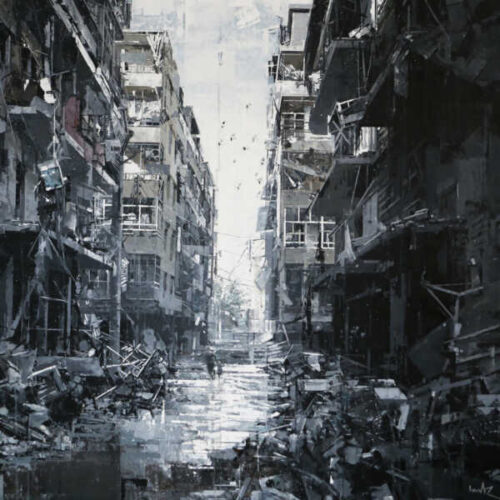
Quando tutto diventa buio: è questa la traduzione di Quan tot s’apagui, quinto album dei Syberia e il primo in cui la band di Barcellona sceglie il catalano per tutti i titoli, abbandonando l’inglese. Una scelta identitaria che dice già qualcosa sul tono del disco, prima ancora di ascoltarlo: c’è una radicalità nuova qui, confermata da un artwork che rimanda alla devastazione più totale e da note stampa che lo descrivevano come il loro lavoro più oscuro, una virata definitiva verso il post-metal già avviata con Statement on Death nel 2022. Mi sono avvicinato con qualche riserva, lo ammetto: non sono un fan delle band che abbandonano un suono rodato e armonioso per inseguire territori più pesanti e violenti, e i Syberia in questo non fanno di certo eccezione. Si tratta di miei preconcetti, ovviamente, ma i miei preconcetti raramente si erano sbagliati così tanto.
Mi sono bastati i primi minuti di “En la foscor una llum que brilla,” per capire che qui c’è altro. Per capire davvero cosa succede in questo disco, però, vale la pena tradurre anche i titoli delle cinque tracce: “Nell’oscurità brilla una luce”, “Lampi di oblio dei ricordi di una vita”, “Nascita di una morte silenziosa”, “Nella mia anima il sangue ribolle”, “Quando me ne sarò andato, non chiudete i miei occhi”. Già così si riesce a capire meglio il perimetro emotivo dentro cui si muove Quan tot s’apagui: un album che attraversa il buio più nero senza compiacersene, e proprio per questo i momenti di luce che affiorano qua e là arrivano con una forza sproporzionata rispetto alla loro breve durata. Sono fugaci per definizione, e questo si intuisce già mentre li si ascolta, eppure questa consapevolezza non li rende meno potenti. Sulla prima traccia la batteria costruisce un crescendo apocalittico con un tremolo di chitarra allucinato sullo sfondo e una sezione ritmica che comprime tutto lo spazio disponibile, tribale e potente come certe bordate dei Cult of Luna; poi due chitarre pulite aprono una breccia, il ritmo si adagia in qualcosa di marziale, e quella luce del titolo brilla davvero, con una rifrazione che sa di provvisorio sollievo prima che la conclusione rovente rimetta tutto al suo posto. Il secondo brano è il momento in cui la precisione della batteria diventa il centro di tutto: gli intarsi ritmici si intrecciano con le melodie senza mai concedere tregua, ipnotici nella loro velocità; mi viene in mente un’immagine visiva, più che musicale, ovvero quella scena di Matrix in cui la Zion fugge dalle sentinelle nel buio, inseguita da una massa caotica che si muove con una logica tutta sua. Il paesaggio sonoro si infittisce prima di aprirsi in una sezione metal massiccia, con i tremoli di chitarra che si ergono sopra il riffing concitato nonostante la distanza abissale da cui sembrano provenire, e ancora una volta è la batteria ad avere l’ultima parola, davvero clamorosa. “naixença d’una mort tranquil·la.” porta dentro elementi inafferrabili di synth che rendono la salita dei riff al limite del cosmico, e l’ossimoro del titolo, “nascita di una morte”, viene reso con una calma apparente posta a metà brano: i sintetizzatori qui vibrano come premessa, poi le chitarre distorte irrompono e la melodia ascende libera mentre la batteria opprime tutto con colpi sempre più rapidi. Di nuovo resto senza parole dinanzi alla furia devastante di questa batteria, che molla il tiro solo quando sembra aver davvero dato tutto ciò che poteva, lasciando spazio ai sintetizzatori che tornano in chiusura come fumi di un fallout atomico. Sulla quarta traccia qualcosa cambia registro: echi malinconici di una melodia post-rock dispersa nel tempo, che rimandano all’oscurità nostalgica di Epitaph dei God Is an Astronaut; tutto è però coeso in una forma di energia controllata che ribolle nei vibrati e nelle sezioni esplosive senza mai perdere il filo. Il brano finale, poi, è per me clamoroso già dal riff iniziale che fa capolino dopo la breve introduzione atmosferica. La batteria ruggisce con la velocità del black metal, ma la melodia principale è solenne e aperta, con una sensazione di assenza di confini che raramente il post-metal riesce a trasmettere così nettamente. Arrivano anche qui gli immancabili riff pesanti, e ogni volta che la mente inizia ad alzarsi in volo quei riff riportano a terra con una forza quasi fisica. Quando sembra che tutto stia sfumando, che resti solo la batteria ad allontanarsi nel riverbero, arriva l’agognato epilogo: una voce dal timbro saggio recita qualcosa in catalano, sotto di lei soltanto la pacatezza dei pad. Sembra davvero la conclusione di un racconto, e il fatto di non capire il significato di quelle parole non toglie nulla alla loro forza.
In quarantacinque minuti divisi in cinque tracce, nessuna sotto i sette, i Syberia costruiscono un’opera che porta fino in fondo la propria oscurità. Il gusto melodico che li aveva già distinti in Seeds of Change (il mio preferito tra i loro lavori) non è andato da nessuna parte: si è fatto più duro, più paziente, e in fin dei conti più necessario, in questo preciso periodo storico. Il primo disco del 2013 si chiamava Drawing a Future; ascoltando questo lavoro, invece, si ha la netta sensazione che quel futuro sia arrivato, e che abbia la forma di qualcosa di inevitabile. Un’inevitabilità che, stranamente, non pesa affatto: Quan tot s’apagui è un disco che rapisce, e che lascia al suo passaggio effimere tracce di luce in dissolvenza, come se fosse l’ultimo bagliore di una supernova che si spegne.
When everything goes dark: that's the translation of Quan tot s'apagui, the fifth album by Syberia and the first on which the Barcelona band chooses Catalan for all the titles, leaving English behind. A statement of identity that already says something about the tone of the record, even before you listen to it: there's a new radicalism here, confirmed by artwork that evokes the most total devastation and by press notes describing it as their darkest work, a definitive turn towards post-metal already begun with Statement on Death in 2022. I approached it with some reservations, I admit: I'm not a fan of bands that abandon a well-honed, harmonious sound to chase heavier and more violent territory, and Syberia are certainly no exception in that respect. These are my own prejudices, of course, but my prejudices have rarely been so wrong.
The first few minutes of "En la foscor una llum que brilla," were enough to tell me there's something more here. To really understand what happens on this record, though, it's worth translating the titles of the five tracks too: "In the darkness a light shines", "Flashes of oblivion of a lifetime's memories", "Birth of a quiet death", "In my soul the blood boils", "When I'm gone, don't close my eyes". This alone makes it easier to grasp the emotional boundaries within which Quan tot s'apagui moves: an album that crosses the blackest dark without wallowing in it, and precisely for this reason the moments of light surfacing here and there arrive with a force out of all proportion to their brief duration. They're fleeting by definition, and you sense it even as you listen, yet that awareness doesn't make them any less powerful. On the first track the drums build an apocalyptic crescendo with a hallucinated tremolo guitar in the background and a rhythm section that compresses all the available space, tribal and powerful like certain broadsides by Cult of Luna; then two clean guitars open a breach, the rhythm settles into something martial, and the light of the title truly shines, with a refraction that tastes of temporary relief before the scorching ending puts everything back in its place. The second track is the moment when the precision of the drums becomes the centre of everything: the rhythmic inlays intertwine with the melodies without ever giving respite, hypnotic in their speed; an image comes to mind, visual rather than musical, of the scene in The Matrix where the Zion flees from the sentinels in the dark, chased by a chaotic mass that moves with a logic all its own. The soundscape thickens before opening into a massive metal section, with tremolo guitars rising above the frantic riffing despite the abyssal distance they seem to come from, and once again it's the drums that have the last word, truly sensational. "naixença d'una mort tranquil·la." brings in elusive synth elements that make the climbing riffs almost cosmic, and the oxymoron of the title, "birth of a death", is rendered with an apparent calm placed halfway through: the synths vibrate here as a premise, then the distorted guitars burst in and the melody rises freely while the drums crush everything with ever faster blows. Once again I'm left speechless by the devastating fury of these drums, which let up only when they seem to have truly given everything they could, leaving room for the synths that return at the close like the fumes of a nuclear fallout. On the fourth track something changes register: melancholic echoes of a post-rock melody scattered through time, recalling the nostalgic darkness of God Is an Astronaut's Epitaph; everything, however, is held together in a form of controlled energy that boils in the vibratos and explosive sections without ever losing the thread. The final track, then, is stunning for me from the opening riff that peeks out after the short atmospheric introduction. The drums roar with the speed of black metal, but the main melody is solemn and open, with a sense of boundlessness that post-metal rarely conveys so clearly. The inevitable heavy riffs arrive here too, and every time the mind begins to take flight those riffs bring it back to the ground with an almost physical force. When it seems everything is fading, with only the drums drifting away in the reverb, the longed-for epilogue arrives: a voice with a wise timbre recites something in Catalan, with only the calm of the pads beneath it. It truly feels like the end of a story, and not understanding those words takes nothing away from their power.
In forty-five minutes split into five tracks, none under seven minutes, Syberia build a work that carries its darkness all the way. The melodic flair that already set them apart on Seeds of Change (my favourite of their records) hasn't gone anywhere: it has become harder, more patient and, ultimately, more necessary in this precise moment in history. Their first record, in 2013, was called Drawing a Future; listening to this work, you have the distinct feeling that this future has arrived, and that it has the shape of something inevitable. An inevitability that, strangely, doesn't weigh on you at all: Quan tot s'apagui is a captivating record that leaves fleeting, fading traces of light in its wake, like the last glow of a dying supernova.