Nightswimming
Pray For Sound
- Etichetta
- dunk!records, A Thousand Arms
- Anno
- 2024
- Pubblicata su
- GrindOnTheRoad
Il 2024 si conferma un anno straordinario per il post-rock, con una quantità di uscite degne di nota che hanno saputo soddisfare anche i palati più esigenti. E proprio quando sembrava impossibile alzare ulteriormente l’asticella di un’annata incredibile, ecco i Pray For Sound ad aggiungere un importantissimo tassello, di quelli che spingeranno molti appassionati a riconsiderare le proprie classifiche di fine anno. Nightswimming, uscito il 13 dicembre per dunk!records e A Thousand Arms, è a tutti gli effetti il quinto album del quintetto di Boston, se si escludono Dreamixer – disco di remix del loro debutto – e l’EP di b-sides legato a Waves, ultimo full length del 2019. Con questo nuovo e attesissimo lavoro, i Pray For Sound non si limitano a riaffermarsi, ma dimostrano davvero come la loro visione continui a evolversi, di fatto rendendoli uno dei punti di riferimento più solidi e creativi della scena (e il recente tour in Cina ne conferma l’impatto a livello internazionale).
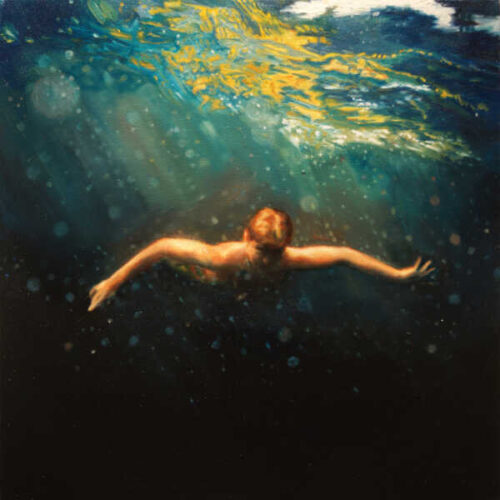
L’album si apre con l’adrenalinica “Recleague”, una specie di gigantesco manifesto sonoro che si erge su un tappeto chitarristico intriso di epicità. In effetti già solo in questa traccia è racchiusa tutta l’essenza di Nightswimming: poderosi riff elettrici si intrecciano con synth pulsanti e arpeggiatori, e complice un drumming serrato il risultato è un vortice di energia e freschezza che definisce il carattere del disco dalle prime battute. Il brano si sviluppa su una struttura apparentemente classica, ma è il finale a sorprendere, con l’ingresso di un pianoforte che spezza la tensione, privilegiando quell’intimità e quel senso di beatitudine pacifica che si respirava nelle atmosfere più scarne e ambient di Waiting Room del 2018. Questa chiusura morbida lascia spazio all’imponenza marziale di “Paratrooper”, altro pezzo dalla struttura cangiante e dalla dinamica travolgente: in questo caso i fraseggi fluttuano con leggerezza nei versi, per poi esplodere in massicci riff distorti nei ritornelli, la cui forza mi ha ricordato certi passaggi degli hubris. Anche “Daylight”, pur nella sua brevità, richiama l’anima più ambient dei Pray For Sound di Waiting Room, creando una sorta di filo conduttore all’interno dell’album, che per certi versi sembra una somma di tutte le sfaccettature sonore del catalogo degli americani. In “Reconnector” si percepisce invece una dolcezza più marcata: il brano costruisce un paesaggio sonoro accogliente ed energico, dove le chitarre dipingono atmosfere calorose e positive, simili a quelle del meraviglioso Waves del 2019, disco che ho consumato a forza di ascolti. I Pray For Sound dimostrano ancora una volta la loro abilità nel ridurre il sound all’essenziale quando il pezzo lo richiede, affidando solo a chitarre e sezione ritmica il compito di trasmettere emozioni, alternando in modo molto fluido energia e momenti di morbida delicatezza. E dopo i spiragli di maggiore dolcezza, il sound torna più muscolare, come nella successiva “Alyssa Milano”: qui le chitarre ruggiscono e il basso a tratti si eclissa per lasciare spazio a una robustezza sonora di grande impatto. A metà brano, una sezione in palm muting si incastra con precisione tra riff trascinanti e carichi di slancio, costruendo un crescendo che sembra proprio non volersi fermare. Il drumming, sempre incisivo, accompagna questa scalata sonora fino a un finale travolgente, dove i riff si intrecciano in una spirale che esplode in pura energia, epica e grandiosa. Sempre in odor di epicità si dipana la title-track, “Nightswimming”, che si erge in un’atmosfera piuttosto solenne: la batteria è possente, mentre le chitarre piene di riverbero, poste ai margini del panorama stereo, sembrano descrivere la natura impalpabile dell’acqua: sembra quasi di scorgere tenui raggi lunari che si insinuano con timidezza tra le onde, come trame di luce che si dissolvono nell’oscurità dei fondali marini. La melodia principale, delicata e nostalgica, è al contempo piena di vita e si sposa perfettamente con la splendida copertina dell’album. Negli effetti eterei in chiusura sembra quasi di sentire il canto delle balene, un po’ come avviene nell’ultimo disco dei francesi Maven, già recensito in queste sedi. “Vasa”, altro bellissimo pezzo, introduce un fraseggio malinconico che si muove tra post-rock e ambient, con una chitarra elettrica che intona una melodia francamente irresistibile: in quelle note acute ripetute, non so perché, mi sono sentito davvero capito. È proprio un gran bel brano di post-rock classico, dove l’atmosfera generale viene scombussolata dalle imponenti chitarre distorte che entrano con forza, permettendo ai fraseggi in delay di spiccare il volo indisturbati. Le delicate alternanze tra suoni malinconici più puliti e passaggi più tendenti al metal alla sleepmakeswaves completano un brano in cui coesistono moltissimi stati d’animo diversi, senza alcuna forzatura. “Dorsia” invece è il pezzo più lungo dell’album, e forse anche il più completo: un viaggio di sette minuti che inizia in punta di piedi, con un pianoforte malinconico che traccia note sospese, quasi a voler rallentare il tempo. C’è un che di cinematografico nel modo in cui il brano cresce, con la nostalgia iniziale che lentamente si trasforma in qualcosa di sempre più imponente. Ben presto, il paesaggio sonoro si trasforma: le chitarre si fanno più grandi e distorte, la batteria incalza e spinge il tutto verso un mood trionfale e maestoso; ma proprio quando questa tensione sembra pronta a esplodere torna protagonista la malinconia serena del pianoforte. Le sue note, delicate e sommesse, affiorano come un filo di luce in penombra, riportando per un attimo la calma fragile dell’inizio: le eteree note di chitarra contribuiscono a dipingere un’atmosfera intima e sospesa. Per cui quando l’impeto trionfale riemerge, lo fa con un’intensità emotiva ancora più dirompente: la melodia dell’elettrica si fa ipnotica, disegnando cerchi concentrici che si espandono in territori hard rock, crescendo senza sosta fino a deflagrare in un uragano musicale. Un’apoteosi che lascia senza fiato, e che si dissolve lentamente nell’ultimo brano del disco, “The Ballad of Mike Mill”. Qui il tono cambia: il pezzo, essenziale nella struttura e dagli umori più nostalgici, si adagia su riff e accordi semplici, ma capaci di toccare corde profonde. Una dolcezza disarmante che chiude il disco su una nota di serena introspezione, in una specie di pacifica resa che accoglie e consola.
Con Nightswimming, il quintetto di Boston ha dato alla luce un lavoro che bilancia potenza ed emozione con grandissima naturalezza, dimostrando una padronanza del linguaggio musicale che li conferma come assoluti protagonisti della scena post-rock. Ogni brano brilla senza mai risultare ripetitivo: la produzione cristallina enfatizza sia l’energia prorompente che i momenti più intimi, creando un equilibrio perfetto tra epicità cinematografica, riflessione nostalgica e pura gioia. Nightswimming non si limita a emozionare; è un album che sa anche divertire, regalando una varietà di atmosfere che trasmettono vitalità e dolcezza, facendo sorridere persino nei passaggi più malinconici e sospesi, che spesso si disvelano dopo momenti più energici. È come se i Pray For Sound avessero riversato in questo lavoro il meglio di ciò che sono, e il risultato è un album davvero bello, che brilla per completezza e ispirazione, e che soprattutto non stanca mai.
2024 is confirmed as an extraordinary year for post-rock, with a wealth of noteworthy releases that satisfied even the most demanding tastes. And just when it seemed impossible to raise the bar any higher in an incredible year, along come Pray For Sound to add a very important piece, the kind that will push many fans to reconsider their end-of-year lists. Nightswimming, released on 13 December on dunk!records and A Thousand Arms, is to all intents and purposes the fifth album by the Boston five-piece, if you leave out Dreamixer – a remix record of their debut – and the B-sides EP linked to Waves, their last full-length from 2019. With this new and eagerly awaited work, Pray For Sound don't just reaffirm themselves, they really show how their vision keeps evolving, effectively making them one of the most solid and creative reference points of the scene (and their recent tour of China confirms their international impact).
The album opens with the adrenaline-fuelled "Recleague", a sort of gigantic sonic manifesto rising over a guitar carpet steeped in epic feeling. In fact, this track alone contains the whole essence of Nightswimming: mighty electric riffs intertwine with pulsing synths and arpeggiators, and with the help of tight drumming the result is a whirlwind of energy and freshness that defines the character of the record from the very first bars. The track develops on a seemingly classic structure, but it's the ending that surprises, with the entry of a piano that breaks the tension, favouring the intimacy and sense of peaceful bliss found in the barer, more ambient atmospheres of 2018's Waiting Room. This soft ending makes way for the martial grandeur of "Paratrooper", another track with a shifting structure and overwhelming dynamics: here the phrases float lightly through the verses, then explode into massive distorted riffs in the choruses, whose force reminded me of certain passages by hubris. "Daylight", too, despite its brevity, recalls the more ambient side of the Waiting Room-era Pray For Sound, creating a sort of common thread within the album, which in some ways feels like the sum of all the sonic facets of the Americans' catalogue. In "Reconnector", on the other hand, there's a more marked sweetness: the track builds a welcoming, energetic soundscape where the guitars paint warm, positive atmospheres, similar to those of the wonderful Waves from 2019, a record I wore out with repeated listens. Pray For Sound once again show their skill at stripping the sound down to the essentials when the song requires it, leaving guitars and rhythm section alone to convey emotion, alternating energy and moments of soft delicacy very fluidly. And after these glimpses of greater sweetness, the sound turns more muscular again, as in the following "Alyssa Milano": here the guitars roar and the bass at times disappears to make room for a hard-hitting sonic robustness. Halfway through, a palm-muted section slots precisely between driving, momentum-filled riffs, building a crescendo that really doesn't seem to want to stop. The drumming, always incisive, accompanies this sonic climb up to an overwhelming finale, where the riffs intertwine in a spiral that explodes into pure, epic, grandiose energy. Still in an epic vein, the title track "Nightswimming" unfolds in a rather solemn atmosphere: the drums are powerful, while the reverb-filled guitars, placed at the edges of the stereo field, seem to describe the impalpable nature of water: you can almost glimpse faint moonbeams slipping shyly between the waves, like threads of light dissolving into the darkness of the seabed. The main melody, delicate and nostalgic, is at the same time full of life and matches the album's splendid cover perfectly. In the ethereal effects at the close you can almost hear whale song, a bit like on the latest record by France's Maven, already reviewed here. "Vasa", another beautiful track, introduces a melancholic phrase moving between post-rock and ambient, with an electric guitar playing a frankly irresistible melody: in those repeated high notes, I don't know why, I felt truly understood. It's a really great piece of classic post-rock, where the overall atmosphere is shaken up by imposing distorted guitars that come in hard, letting the delayed phrases take flight undisturbed. The delicate alternation between cleaner melancholic sounds and more metal-leaning, sleepmakeswaves-style passages completes a track where many different moods coexist without any forcing. "Dorsia", on the other hand, is the longest track on the album, and perhaps also the most complete: a seven-minute journey that begins on tiptoe, with a melancholic piano tracing suspended notes, as if to slow time down. There's something cinematic in the way the track grows, with the opening nostalgia slowly turning into something ever more imposing. Soon the soundscape changes: the guitars become bigger and distorted, the drums press on and push everything towards a triumphant, majestic mood; but just when this tension seems ready to explode, the serene melancholy of the piano takes centre stage again. Its delicate, hushed notes surface like a thread of light in the half-dark, bringing back for a moment the fragile calm of the beginning: the ethereal guitar notes help paint an intimate, suspended atmosphere. So when the triumphant surge re-emerges, it does so with even more explosive emotional intensity: the electric guitar melody becomes hypnotic, drawing concentric circles that expand into hard rock territory, growing relentlessly until it detonates in a musical hurricane. A breathtaking apotheosis that slowly dissolves into the last track on the record, "The Ballad of Mike Mill". Here the tone changes: the track, essential in structure and more nostalgic in mood, rests on simple riffs and chords that nonetheless touch deep chords. A disarming sweetness that closes the record on a note of serene introspection, in a kind of peaceful surrender that welcomes and consoles.
With Nightswimming, the Boston five-piece has delivered a work that balances power and emotion with great ease, showing a command of musical language that confirms them as absolute protagonists of the post-rock scene. Every track shines without ever becoming repetitive: the crystal-clear production emphasises both the bursting energy and the more intimate moments, creating a perfect balance between cinematic epic, nostalgic reflection and pure joy. Nightswimming doesn't just move you; it's an album that can also be fun, offering a variety of atmospheres that convey vitality and sweetness, making you smile even in the most melancholic and suspended passages, which often reveal themselves after more energetic moments. It's as if Pray For Sound had poured the best of who they are into this work, and the result is a truly beautiful album that shines for its completeness and inspiration, and above all never gets tiring.