A Single Flower
We Lost The Sea
- Etichetta
- Bird’s Robe Records, dunk!records, Translation Loss Records, New Noise
- Anno
- 2025
- Pubblicata su
- GrindOnTheRoad
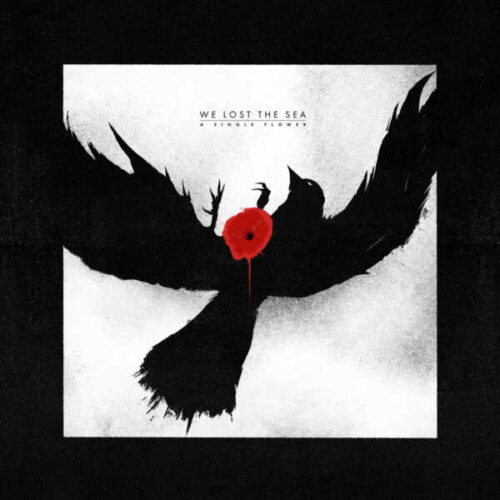
Con A Single Flower, i We Lost The Sea tornano a esplorare il dolore, scegliendo ancora una volta di attraversarlo a occhi aperti. Lo suggerisce già la copertina: la sagoma nera di un corvo, trafitta da un fiore rosso, è la sintesi visiva di un disco che contempla le rovine di una società al collasso, lasciando che qualcosa di fragile e luminoso prenda forma proprio dove tutto si sgretola. Dopo il capolavoro strumentale Departure Songs (2015), ormai entrato nell’immaginario collettivo del genere, e il cupo Triumph & Disaster (2019), che anticipava di un anno la pandemia e sembrava già intuire l’angoscia di un mondo sull’orlo del baratro, A Single Flower sceglie di addentrarsi nell’abisso della devastazione e di ascoltarne i sussurri. In un mondo che ha smarrito ogni certezza, questo nuovo lavoro è la colonna sonora ideale per l’inquietudine di chi continua a chiedersi cosa possa ancora restare in piedi mentre tutto intorno crolla.
Si comincia con “If They Had Hearts” e il suo fraseggio di chitarra ciclico, che all’inizio sembra quasi inoffensivo. Ma ad ogni ripetizione della melodia l’aria si addensa: i suoni si sovrappongono lentamente, come nuvole cariche di elettricità, e l’atmosfera diventa sempre più claustrofobica. Poi entra la batteria di Alasdair Belling, alla sua prima prova in studio, e il brano si stringe in una morsa che toglie il fiato, finché tutto si comprime in una spirale opprimente. E proprio nel punto in cui sembra impossibile uscirne, arriva una calma improvvisa e si torna a respirare: poche note di pianoforte si insinuano come bagliori nella nebbia, mentre una chitarra in tremolo vibra in lontananza. È il primo segno del piccolo fiore che resiste ostinatamente, mentre fuori infuria la guerra e la cenere oscura l’azzurro del cielo.
“A Dance with Death” porta la tensione ancora più in alto, con i suoi dieci minuti sorretti da un basso saturo e monolitico e da uno dei riff di chitarra più magnetici del disco, che pare contorcersi per sfuggire a una forza invisibile. Man mano che il brano avanza, tutto si fa più incandescente; le chitarre ribollono come magma sotto la superficie, la batteria martella senza tregua e l’esplosione sembra inevitabile. A metà, però, il pezzo si apre ad un interludio rarefatto, vicino all’atmosfera di “Bogatyri” su Departure Songs: gli accordi di chitarra si fanno minimali, mentre note di piano e piatti appena sussurrati, dal vago respiro jazz, concedono un breve attimo di tregua. Poi l’onda torna a sollevarsi minacciosa in un finale pesante che ricorda la furia post-metal di Cult of Luna e Russian Circles e che spazza via ogni appiglio. Quando anche questa forza si estingue resta una quiete irreale; nel silenzio, ancora caldo di cenere, torna la melodia iniziale, scura come lava rappresa, e sembra quasi che si porti addosso le cicatrici di tutto ciò che ha attraversato.
“Everything Here Is Black and Blinding” descrive bene l’ossimoro del titolo, alternando momenti di inquietante desolazione slowcore a lampi improvvisi di intensità più drammatica, con riverberi cupi che avvolgono persino la batteria, oltre che le chitarre. E mentre i suoni eterei circostanti dipingono questa atmosfera spettrale il crescendo delle percussioni si fa sempre più incalzante, con una sorta di cadenza ipnotica in chiusura che mi ha ricordato la corsa inarrestabile di “Popplagið” dei Sigur Rós. Con “Bloom (Murmurations at First Light)” invece la rotta cambia: una chitarra solitaria apre uno spiraglio di luce, ma viene subito travolta da un muro del suono quasi apocalittico che abbatte ogni difesa. Il basso, con una saturazione che strizza l’occhio allo sludge, scava crateri sotto il mix; nel mentre Belling firma uno dei pattern di batteria più incisivi dell’album, tra accenti tribali, pause misurate e ripartenze dal sapore progressive. Dopo l’esplosione, la tempesta si placa in due fenditure: prima un groove luminoso con chitarre limpide, poi una commovente foschia di pianoforte che sembra lontana anni luce, eco delle malinconie glaciali di The Earth Is Not a Cold Dead Place degli Explosions in the Sky. Ma ecco che le chitarre si serrano ancora, la batteria accelera e l’irruenza post-metal torna a divampare; al culmine della deflagrazione però si dissolve tutto, e dal caos ritorna la stessa chitarra serena che aveva aperto il brano. E ancora una volta quel fiore delicato continua a filtrare vita tra i detriti, mentre gli ultimi echi di delay si spengono come braci sotto la cenere.
“The Gloaming” è respiro puro: il violino di Sophie Trudeau (Godspeed You! Black Emperor) intesse un lamento d’archi su note sparse di piano, aprendo la strada alla gigantesca “Blood Will Have Blood”: ventisette minuti di immersione totale, per un’esperienza che contiene al suo interno due climax ben distinti. Più che una suite è una specie di microcosmo che risucchia tutto il disco e lo risputa trasfigurato, una vera e propria odissea sonora dai mille volti. Nella prima metà convivono melodie struggenti dal respiro cinematografico e squarci luminosi alla This Will Destroy You, con le percussioni che evolvono in una marcia inarrestabile, che mi ha fatto pensare al climax catartico di “Challenger Part 1 – Flight” di Departure Songs. Ma la luce dura poco. I contorni si deformano, la calma arretra dinanzi ad una nuova inquietudine che sposta gli umori altrove: marce solenni di batteria, fraseggi malinconici e decadenti, distorsioni che graffiano fino a frantumare l’aria stessa. È un climax più oscuro del primo: lì il fiore pareva resistere, qui invece sembra soccombere, travolto dal cataclisma. Eppure nell’ultimo minuto riemerge, a disegnare una melodia sospesa tra tremoli di chitarra e note di piano ormai oltre il tempo, che si dissolvono nel vento sfumato dei ricordi. Resta soltanto una chitarra, avvolta da rumori di fondo in lontananza; forse è il mondo che non smette di esistere, o forse è solo il suono del nostro respiro stanco. E dunque dopo questa discesa nel caos, che non stonerebbe accanto a certe pagine di Dostoevskij, l’album si spegne senza veri trionfi; la sensazione è quella di aver attraversato l’oscurità di una notte grandiosa, forse la più importante di sempre, ed essere sopravvissuti.
A Single Flower non è un ascolto semplice, nemmeno per chi ama il post-rock: ha bisogno di tempo e dedizione, ma soprattutto del coraggio di restare nel cuore della tempesta. La scelta produttiva di contenere i volumi e dare respiro alla dinamica riduce la chiarezza nei passaggi più densi, ma mette comunque in luce il dialogo serrato delle tre chitarre, sempre eccellente, e la creatività dei pattern di batteria, tra i punti più alti del lavoro. In certi frangenti, come nella lunga “Blood Will Have Blood”, il disco rischia di perdersi in sé stesso: forse una divisione in due parti avrebbe dato più respiro alla scaletta. Ma tutto sommato è proprio in quell’eccesso che l’album trova la sua forza, se ci si abbandona al flusso con il giusto spirito. E dopo settanta minuti così intensi, quella che in fondo resta in mente è un’immagine tanto semplice quanto potente: il piccolo fiore rosso che resiste tra le macerie. Qui risiede il vero paradosso di A Single Flower, un’opera che scava nel cuore delle rovine e vi scopre la resilienza di ciò che resta in vita proprio grazie alla sua fragilità più autentica.
With A Single Flower, We Lost The Sea return to explore pain, choosing once again to walk through it with their eyes open. The cover already hints at it: the black silhouette of a crow, pierced by a red flower, is the visual summary of a record that contemplates the ruins of a collapsing society, letting something fragile and luminous take shape exactly where everything crumbles. After the instrumental masterpiece Departure Songs (2015), which has by now entered the genre's collective imagination, and the gloomy Triumph & Disaster (2019), which came a year before the pandemic and already seemed to sense the anguish of a world on the edge of the abyss, A Single Flower chooses to venture into the abyss of devastation and listen to its whispers. In a world that has lost every certainty, this new work is the ideal soundtrack for the unease of those who keep asking what might still be left standing while everything around them collapses.
It begins with "If They Had Hearts" and its cyclical guitar phrase, which at first seems almost harmless. But with every repetition of the melody the air thickens: sounds slowly pile up, like clouds charged with electricity, and the atmosphere grows more and more claustrophobic. Then the drums of Alasdair Belling, on his first studio outing, come in, and the track tightens into a breathtaking grip, until everything is compressed into an oppressive spiral. And just when it seems impossible to escape, a sudden calm arrives and you can breathe again: a few piano notes slip in like glimmers in the fog, while a tremolo guitar vibrates in the distance. It's the first sign of the little flower stubbornly holding on, while outside war rages and ash darkens the blue of the sky.
"A Dance with Death" pushes the tension even higher, its ten minutes held up by a saturated, monolithic bass and one of the most magnetic guitar riffs on the record, which seems to writhe to escape an invisible force. As the track goes on, everything becomes more incandescent; the guitars bubble like magma under the surface, the drums pound relentlessly and the explosion seems inevitable. Halfway through, though, the song opens into a rarefied interlude, close to the atmosphere of "Bogatyri" on Departure Songs: the guitar chords become minimal, while piano notes and barely whispered cymbals, with a vague jazz feel, grant a brief moment of truce. Then the wave rises menacingly again in a heavy finale reminiscent of the post-metal fury of Cult of Luna and Russian Circles, sweeping away every foothold. When this force too is spent, an unreal stillness remains; in the silence, still warm with ash, the opening melody returns, dark as hardened lava, and it almost seems to carry the scars of everything it has been through.
"Everything Here Is Black and Blinding" captures the oxymoron of its title well, alternating moments of unsettling slowcore desolation with sudden flashes of more dramatic intensity, with dark reverbs enveloping even the drums as well as the guitars. And while the surrounding ethereal sounds paint this spectral atmosphere, the crescendo of the percussion grows ever more pressing, with a sort of hypnotic cadence at the close that reminded me of the unstoppable rush of Sigur Rós' "Popplagið". With "Bloom (Murmurations at First Light)", on the other hand, the course changes: a lone guitar opens a glimmer of light, but is immediately swept away by an almost apocalyptic wall of sound that knocks down every defence. The bass, with a saturation that winks at sludge, digs craters under the mix; meanwhile Belling delivers one of the album's most incisive drum patterns, with tribal accents, measured pauses and progressive-flavoured restarts. After the explosion, the storm subsides into two openings: first a luminous groove with clear guitars, then a moving piano haze that seems light years away, an echo of the glacial melancholy of Explosions in the Sky's The Earth Is Not a Cold Dead Place. But then the guitars close ranks again, the drums speed up and the post-metal fury flares up once more; at the height of the blast, though, everything dissolves, and out of the chaos comes the same serene guitar that opened the track. And once again that delicate flower keeps letting life seep through the debris, while the last echoes of delay die out like embers under ash.
"The Gloaming" is pure breath: the violin of Sophie Trudeau (Godspeed You! Black Emperor) weaves a string lament over scattered piano notes, paving the way for the gigantic "Blood Will Have Blood": twenty-seven minutes of total immersion, an experience containing two very distinct climaxes. More than a suite it's a kind of microcosm that sucks in the whole record and spits it back out transfigured, a true sonic odyssey with a thousand faces. In the first half, heart-rending melodies with a cinematic sweep coexist with luminous This Will Destroy You-style bursts, while the percussion evolves into an unstoppable march that made me think of the cathartic climax of "Challenger Part 1 – Flight" on Departure Songs. But the light doesn't last long. The outlines warp, the calm retreats before a new unease that shifts the mood elsewhere: solemn drum marches, melancholic and decadent phrases, distortions that scratch until they shatter the air itself. It's a darker climax than the first: there the flower seemed to hold on, here it seems to succumb, overwhelmed by the cataclysm. Yet in the last minute it resurfaces, drawing a melody suspended between tremolo guitars and piano notes now beyond time, dissolving in the faded wind of memories. Only a guitar remains, wrapped in distant background noise; perhaps it's the world that never stops existing, or perhaps it's just the sound of our own tired breathing. And so after this descent into chaos, which wouldn't be out of place next to certain pages of Dostoevsky, the album fades out without any real triumph; the feeling is of having crossed the darkness of a tremendous night, perhaps the most important ever, and having survived.
A Single Flower isn't an easy listen, not even for those who love post-rock: it needs time and dedication, but above all the courage to stay in the heart of the storm. The production choice to hold back the volume and give room to the dynamics reduces clarity in the densest passages, but it still highlights the tight dialogue of the three guitars, always excellent, and the creativity of the drum patterns, among the high points of the work. At times, as in the long "Blood Will Have Blood", the record risks getting lost in itself: perhaps splitting it in two would have given the tracklist more room to breathe. But all in all it's precisely in that excess that the album finds its strength, if you surrender to the flow in the right spirit. And after seventy such intense minutes, what ultimately stays in your mind is an image as simple as it is powerful: the little red flower holding on among the rubble. Here lies the true paradox of A Single Flower, a work that digs into the heart of the ruins and discovers there the resilience of what stays alive precisely thanks to its most authentic fragility.