An Expanse of Color
Glories
- Etichetta
- Post. Recordings
- Anno
- 2024
- Pubblicata su
- GrindOnTheRoad
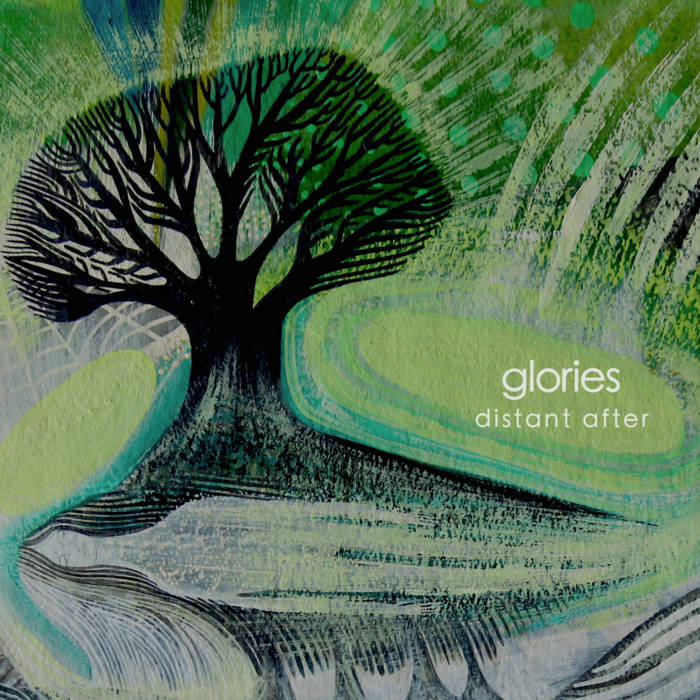
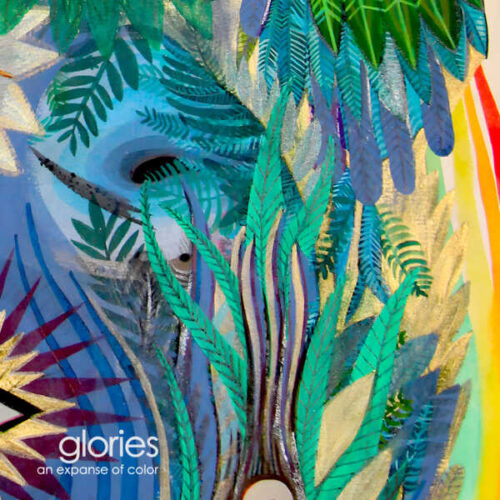
Quanto mi erano mancati i Glories. Sono passati quattro anni da Distant After, uno dei miei personalissimi dischi “rifugio” del genere. Uscito durante la pandemia, è uno degli album di post-rock strumentale che ho ascoltato di più negli anni, salito tantissimo nella mia classifica personale delle opere in grado di mettere in pausa qualunque tipo di pensiero, circondarti con un caldo abbraccio e donarti lo spazio mentale per riflettere, con i propri tempi e con la contemplazione necessaria. È un lavoro che traeva la sua ispirazione principale da una triste parentesi: era dedicato a Zach Cooner, chitarrista fondatore della band, scomparso nel 2017. Gli altri membri si sono fatti forza, reinventandosi come band di tre elementi. Questo processo catartico traspariva in modo delicato nelle tracce di Distant After, dove tutti i brani erano circondati da un rispettoso velo di sacralità. La ricerca della serenità attraverso il suono prosegue con l’agognato nuovo disco, An Expanse of Color. Il titolo è emblematico: mentre la copertina di Distant After raffigurava un albero solitario immerso in sfumature di un timido verde, An Expanse of Color si apre a una gamma cromatica più luminosa e vivace. Questo simbolismo sinestetico riflette, a mio parere, la rinnovata sicurezza della band; fin dal primo ascolto, questo album si rivela ancora più raffinato e affascinante del precedente. La band ha ritrovato la sua strada e si sente: il disco offre sei meravigliosi brani per 45 minuti di estasi, escapismo e un ventaglio molto eterogeneo di emozioni. A mio parere, i tre post-rockers di Birmingham hanno dalla loro il grande pregio di avere una fortissima personalità nel vasto panorama di band che fanno post-rock. Certo, rispettano tutte le convenzioni a cui ci ha abituato il genere negli anni, per cui un fan troverà di che godere senza essere spiazzato in alcun modo: riverberi, chitarre acute in tremolo, sezioni ambient e grandi marce che mantengono saldo il suono. Ma, per fare un esempio, io ho una gigantesca playlist di brani post-rock che ho raccolto negli anni e, se la ascolto senza guardare chi suona, riconosco immediatamente un brano dei Glories. E qui c’è tutto quello che chi ha apprezzato il gruppo di Birmingham desidera: i pezzi sono calmi, per lo più introspettivi, con riff e fraseggi che comunicano tra loro evocando paesaggi sonori ricchi di melodie evocative. Ma calma non significa debolezza: la calma dei Glories è nell’approccio sereno alla musica, anche quando tratteggia scenari tristi o inclini a una maggiore vulnerabilità, che è alla base di qualsiasi opera d’arte che si rispetti.
E dunque ci si trova dinanzi a pezzi bellissimi: l’apertura delicata di “Moon Glyph” pennella una serenità solare e distesa, contaminata da gioia, adrenalina e ottimismo, per poi traghettare fluidamente l’atmosfera in una sezione notturna e sacrale. Sembra quasi di osservare la delicatezza di un’alba, con l’intensificarsi di una luce inizialmente tenue e poi sempre più luminosa, per poi abbracciare di nuovo l’inevitabile arrivo della notte e dei suoi misteri. La dolcezza della chitarra e la sospensione dei pad ambient descrivono bagliori lontani e sfumature di viola mischiate al blu: c’è un vento silenzioso che sposta le foglie, c’è quella malinconia che non ti spezza ma ti abbraccia senza sfiorarti. C’è la sensazione di quando ci si abitua a vedere al buio, circondati da suoni attenuati e da un flebile raggio lunare, i cui barlumi di argento accarezzano la natura circostante con un fascino irresistibile e magnetico. “Chosen Forms”, il primo singolo rilasciato, è un delicato brano in cui le chitarre si ergono dolcemente sopra effetti sintetici che fluttuano gentili nello spazio, accarezzando lo scambio di note tra le chitarre pulite. C’è un senso di conclusione nei giri scintillanti di chitarra che traghettano al finale più elettrico, in cui il titolo del pezzo acquisisce un nuovo significato: dal bozzolo iniziale è infine stata scelta una forma definitiva. Forza e identità caratterizzano la conclusione luminosa, per un pezzo che a tutti gli effetti descrive un’evoluzione che pare compiersi nel riff principale che sale di ottave e diventa più acuto, mentre la chitarra ritmica mantiene salda la progressione e la batteria sorregge tutto con solennità e compostezza. Nell’ovattata introduzione della successiva “Our Shimmering Hearts” si respirano i profumi e gli scenari dell’Islanda dei Sigur Rós di Ágætis byrjun. La cassa riverberata assomiglia al battito di un cuore: i riff lontani di chitarra qui pennellano dilatazioni ambient che sembrano farsi largo dolcemente nella natura surreale di una vallata, evocando un paesaggio onirico. Siamo in pieno territorio Glories quando la serenità delle chitarre pulite lascia spazio alle distorsioni, alle note alte e alle variazioni nel pattern di batteria; è come se gli strumenti descrivessero il sopraggiungere di un’emozione improvvisa. Trovo molto simbolico il fatto che si trattasse di un istante, perché al culmine dell’eccitazione il suono ritorna allo scarno e meraviglioso minimalismo di un fraseggio nostalgico di tipico post-rock, con la marcia di una batteria che giunge da lontano, colorando tutto di dolce malinconia. Non riesco a identificare l’emozione che mi suscitano queste due chitarre: può la malinconia trasmettere un senso di realizzazione gioioso? Per quanto assomigli a un ossimoro, è esattamente ciò che accade qui. Ed è bellissimo. Poi c’è “Totem”, che si apre con suoni elettronici frammentati e un fraseggio in doppia ottava delle due chitarre, preparando il terreno per un bellissimo riff in palm muting e delay, affiancato da un altro più acuto. La sezione centrale richiama le atmosfere posate di Distant After, ma con toni più colorati e positivi; seppure con uno strato di malinconia, nel cuore di questo brano c’è anche quella forza che non si è sicuri di possedere. Alla fine si respira luce tanto nelle chitarre sature quanto nel tremolo, e personalmente potrei ascoltare il fraseggio di chitarra sulla destra per ore senza stancarmi. “Sad as the Fog” è uno dei brani più nostalgici, ed evoca la sensazione di smarrimento tipica di quando si riflette su ricordi particolarmente lontani. La batteria sintetica scandisce il tempo, mentre note scintillanti di chitarra delineano un paesaggio malinconico immerso nella nebbia. Anche i synth contribuiscono a dipingere una foschia delicata che sfiora l’evanescenza dei ricordi, rendendoli più sfumati ma al contempo più splendenti quando vengono raggiunti dalla luce, creando silhouette surreali e barlumi di chiarezza. Le note assomigliano al sussurro del vento, che porta con sé echi di storie dimenticate: la melodia si insinua tra le pieghe del tempo, risvegliando emozioni sopite e dipingendo immagini di un mondo sospeso tra realtà e sogno. È uno degli episodi più commoventi del disco, piazzato in una posizione perfetta nella scaletta, perché il brano successivo, “No Sky Can Blind You Now,” conclude l’album con un’esplosione sonora che è il culmine emotivo di tutto il lavoro. L’inizio trionfale evolve in una sezione meravigliosa, ampia e riverberata, e le chitarre tratteggiano una serenità vastissima, esprimendo anche malinconia, soprattutto quando ne resta una sola a tessere note minimali. La musica trasporta in boschi silenziosi, mentre i fraseggi ricchi di profonda emotività si intensificano nella dirompente sezione finale. Anche qui si fa fatica a non commuoversi, perché è come se l’anima protagonista del pezzo non potesse più essere accecata dal cielo, semplicemente perché ora è parte di esso. Le chitarre descrivono un senso di liberazione profonda quasi gioioso, in cui la malinconia di fondo delle armonie non rende tristi, piuttosto solleva lo spirito.
In questo lavoro non si troveranno sperimentazioni, né idee rivoluzionarie. Ma si troverà un elemento che, secondo me, li supera in importanza: si trova sentimento, autenticità, oltre a un’innegabile capacità di costruire spazi sonori in cui lasciarsi avvolgere dalla potente evocatività di brani dolci e al contempo grintosi; malinconici, e al contempo pieni di sfumature serene. Una cosa è certa: non c’è posto per l’aridità sentimentale quando questi tre musicisti di Birmingham mettono la loro sensibilità in musica, trasmettendo emozioni profonde con una sincerità disarmante.
How I had missed Glories. Four years have passed since Distant After, one of my very personal "refuge" records in the genre. Released during the pandemic, it's one of the instrumental post-rock albums I've listened to most over the years, climbing high in my personal ranking of works able to pause any kind of thought, surround you with a warm embrace and give you the mental space to reflect, at your own pace and with the contemplation you need. It was a work whose main inspiration came from a sad chapter: it was dedicated to Zach Cooner, the band's founding guitarist, who died in 2017. The other members drew strength from each other, reinventing themselves as a three-piece. This cathartic process came through delicately in the tracks of Distant After, where every song was surrounded by a respectful veil of sacredness. The search for serenity through sound continues with the long-awaited new record, An Expanse of Color. The title is emblematic: while the cover of Distant After showed a lone tree immersed in shades of a shy green, An Expanse of Color opens up to a brighter, livelier range of colours. This synaesthetic symbolism reflects, in my opinion, the band's renewed confidence; from the first listen, this album proves even more refined and fascinating than its predecessor. The band has found its way again and you can hear it: the record offers six wonderful tracks for 45 minutes of ecstasy, escapism and a very wide range of emotions. In my view, the three Birmingham post-rockers have the great merit of a very strong personality within the vast landscape of post-rock bands. Sure, they respect all the conventions the genre has accustomed us to over the years, so a fan will find plenty to enjoy without being thrown in any way: reverbs, high tremolo guitars, ambient sections and big marches that keep the sound steady. But, to give an example, I have a gigantic playlist of post-rock tracks collected over the years and, if I listen to it without looking at who's playing, I immediately recognise a Glories track. And here there's everything anyone who appreciated the Birmingham band could want: the pieces are calm, mostly introspective, with riffs and phrases that talk to each other, evoking soundscapes rich in evocative melodies. But calm doesn't mean weakness: Glories' calm lies in their serene approach to music, even when it sketches sad scenes or ones inclined to greater vulnerability, which is at the heart of any self-respecting work of art.
And so we find ourselves before beautiful pieces: the delicate opening of "Moon Glyph" paints a sunny, relaxed serenity, touched by joy, adrenaline and optimism, before smoothly carrying the atmosphere into a nocturnal, sacred section. It almost feels like watching the delicacy of a dawn, with a light at first faint and then ever brighter, before embracing once more the inevitable arrival of night and its mysteries. The sweetness of the guitar and the suspension of the ambient pads describe distant glimmers and shades of purple mixed with blue: there's a silent wind moving the leaves, there's that melancholy that doesn't break you but embraces you without touching you. There's the feeling of when your eyes get used to the dark, surrounded by muted sounds and a faint moonbeam, whose silver glints caress the surrounding nature with an irresistible, magnetic charm. "Chosen Forms", the first single, is a delicate track in which the guitars rise gently above synthetic effects floating softly in space, caressing the exchange of notes between the clean guitars. There's a sense of conclusion in the sparkling guitar runs that carry us to the more electric finale, where the song's title takes on a new meaning: from the initial cocoon a definitive form has finally been chosen. Strength and identity mark the bright ending, for a piece that effectively describes an evolution that seems to complete itself in the main riff climbing octaves and getting higher, while the rhythm guitar holds the progression firm and the drums support everything with solemnity and composure. In the muffled introduction of the following "Our Shimmering Hearts" you breathe the scents and scenery of the Iceland of Sigur Rós' Ágætis byrjun. The reverb-drenched kick sounds like a heartbeat: the distant guitar riffs here paint ambient expanses that seem to make their way gently through the surreal nature of a valley, evoking a dreamlike landscape. We're in full Glories territory when the serenity of the clean guitars gives way to distortion, high notes and variations in the drum pattern; it's as if the instruments were describing the arrival of a sudden emotion. I find it very symbolic that it lasts only an instant, because at the peak of excitement the sound returns to the bare, wonderful minimalism of a nostalgic, typically post-rock phrase, with a drum march arriving from afar, colouring everything with sweet melancholy. I can't pin down the emotion these two guitars stir in me: can melancholy convey a joyful sense of fulfilment? As much as it sounds like an oxymoron, that's exactly what happens here. And it's beautiful. Then there's "Totem", which opens with fragmented electronic sounds and a double-octave phrase from the two guitars, preparing the ground for a beautiful palm-muted, delayed riff, flanked by a higher one. The central section recalls the composed atmospheres of Distant After, but with more colourful and positive tones; despite a layer of melancholy, at the heart of this track there's also that strength you're never sure you have. In the end you breathe light both in the saturated guitars and in the tremolo, and personally I could listen to the guitar phrase on the right for hours without getting tired. "Sad as the Fog" is one of the most nostalgic tracks, evoking the feeling of bewilderment typical of reflecting on particularly distant memories. The programmed drums keep time, while sparkling guitar notes outline a melancholic landscape immersed in fog. The synths also help paint a delicate haze that brushes against the evanescence of memories, making them blurrier but at the same time brighter when the light reaches them, creating surreal silhouettes and glimmers of clarity. The notes resemble the whisper of the wind, carrying echoes of forgotten stories: the melody slips into the folds of time, awakening dormant emotions and painting images of a world suspended between reality and dream. It's one of the most moving moments on the record, placed perfectly in the tracklist, because the following track, "No Sky Can Blind You Now", closes the album with a sonic explosion that is the emotional peak of the whole work. The triumphant opening evolves into a wonderful, wide, reverb-drenched section, and the guitars sketch a vast serenity, also expressing melancholy, especially when only one remains to weave minimal notes. The music carries you into silent woods, while phrases full of deep emotion intensify in the explosive final section. Here too it's hard not to be moved, because it's as if the soul at the heart of the song could no longer be blinded by the sky, simply because it's now part of it. The guitars describe an almost joyful sense of deep liberation, in which the underlying melancholy of the harmonies doesn't sadden but lifts the spirit.
You won't find experimentation or revolutionary ideas in this work. But you will find something that, in my opinion, outweighs them: feeling, authenticity, and an undeniable ability to build sonic spaces in which to let yourself be wrapped in the powerful evocativeness of songs that are sweet yet gritty; melancholic, yet full of serene nuances. One thing is certain: there's no room for emotional dryness when these three Birmingham musicians put their sensitivity into music, conveying deep emotions with disarming sincerity.