Home
Yenisei
- Etichetta
- Autoproduzione
- Anno
- 2024
- Pubblicata su
- GrindOnTheRoad
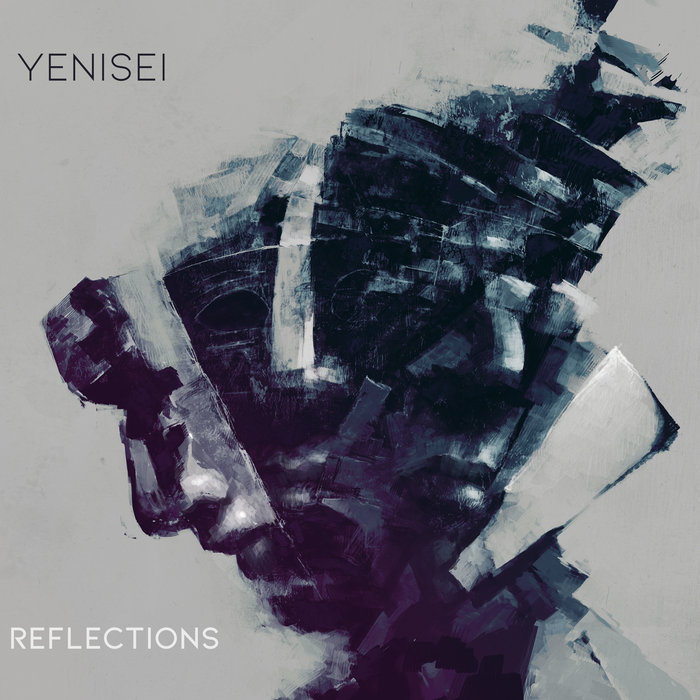
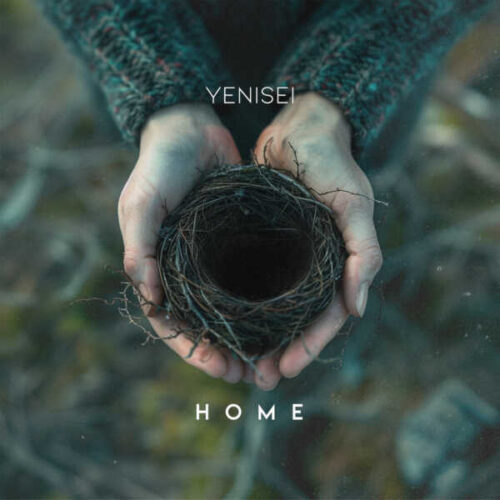
Ho sempre avuto un’attrazione magnetica per l’immaginario del mare, dell’acqua e della navigazione, soprattutto in contesti musicali. È uno dei motivi principali per cui i post-rockers polacchi Yenisei hanno catturato la mia attenzione nel corso degli anni: il tema della navigazione attraversa tanto il debutto The Last Cruise, del 2019, quanto il secondo album Reflections, pubblicato nel 2021 e recensito in passato su queste pagine. Con molta curiosità mi sono quindi avvicinato al terzo disco della band, Home, che, secondo il gruppo, esplora la ricerca di un luogo sicuro, sia fisico che interiore. Qui, la “casa” assume anche un significato più profondo e metaforico: un rifugio dai problemi e dal frastuono del mondo esterno. Un luogo a cui tornare, anche quando l’ambiente circostante ci delude o ci provoca dolore.
Il disco, totalmente autoprodotto, si apre in continuità con le riflessioni “acquatiche” di Reflections: “A Walk In The Sky” delinea da subito un discorso melodico improntato su un’atmosfera piuttosto serena. Le delicate note di chitarra, il riverbero avvolgente e i tappeti di sintetizzatori, uniti alla calma di una batteria rassicurante, dipingono un paesaggio sonoro leggero, in una sorta di viaggio spensierato tra cieli colorati e accoglienti. Realisticamente, però, ogni viaggio introspettivo che si rispetti non è mai compiuto senza l’insorgere di complicazioni di qualche tipo, e in questo senso è “Crickets”, il brano successivo, a scombinare le carte in tavola, sia in termini di umore che musicali. L’inizio, con pad che riecheggiano atmosfere shoegaze, sembra uscito dall’ultimo disco degli Slowdive: il brano si muove tra melodie eteree e drumming disteso, navigando tra suggestioni dream-pop e ritmi più densi. A metà pezzo, la sezione ritmica si interrompe, lasciando spazio ad un bellissimo fraseggio di chitarra pulita, assolutamente post-rock in ogni nota: questo riff tornerà nell’ultimo brano dell’album, donando a Home una forte sensazione di circolarità. “This Place Was A Shelter”, il primo singolo estratto, si apre con un tappeto di sintetizzatori saturati, accompagnato da un riff di chitarra elettrica piuttosto solenne. Il brano trasmette un senso di profonda malinconia, ma è nella sua seconda metà che la musica si carica di forza e intensità, con un’esplosione di riff distorti. La sezione centrale elettronica, con note ripetute di sintetizzatore in stile retrowave, crea un’atmosfera quasi fantascientifica, mentre le chitarre ampliano ulteriormente lo spazio sonoro, accompagnate da una batteria che cresce di intensità. Ascoltando questo brano provo una sorta di rassegnazione realistica verso il cambiamento di un luogo che un tempo era importante, e ora semplicemente non lo è più. “We Are Saved” si apre con un classico riff post-rock, evocando sin da subito un senso di protezione, come se finalmente si fosse raggiunta la destinazione e ne sia valsa la pena, nonostante le difficoltà e la desolazione emotiva incontrate lungo il percorso. Il brano si sviluppa lentamente, con emozioni che emergono soprattutto quando la batteria e i riff ascendenti si innalzano, liberandosi nell’aria come in una catarsi, circondati da effetti sonori e sintetizzatori che li abbracciano. Gli elementi elettronici si intrecciano perfettamente con l’anima post-rock del pezzo, che ricorda i momenti più cinematografici degli Sleepmakeswaves. La successiva “Insecure” segna un’importante novità nella discografia dei Yenisei: per la prima volta troviamo una parte vocale, affidata a Maciej Kowalski dei .WAVS. La voce è da sempre un elemento piuttosto divisivo nel post-rock, ma personalmente non sono mai stato contrario; in questo caso, la performance di Kowalski aggiunge profondità al brano, con un timbro che evoca vibrazioni simili agli Anathema, pur se calate in un contesto sonoro più post-rock che progressive. Il testo esplora il tema centrale dell’album, ovvero la sensazione di trovare casa anche nei luoghi più oscuri e impervi; la chitarra solista scintillante accompagna queste emozioni, affiancata da una seconda chitarra che avvolge tutto in un’atmosfera deliziosamente shoegaze. L’album si chiude con “Forgotten”, il brano più lungo (circa 7 minuti), che riprende il riff di “Crickets”, offrendo una piacevole sensazione di ritorno a casa. Un elemento interessante qui è l’uso del vocoder, il cui effetto richiama qualcosa a metà tra i God Is An Astronaut e i Daft Punk. Il brano, così come l’intero disco in effetti, si distingue per le sue contaminazioni moderne che non snaturano l’anima post-rock della proposta. Il finale, poi, è carico di emozioni contrastanti: da un lato, il calore delle chitarre in crescendo; dall’altro, la misteriosa chiusura con sintetizzatori e voci oscure, che lasciano addosso un ambivalente senso di mistero e tensione.
Alla fine dei 35 minuti di Home, ci si ritrova come viaggiatori che, dopo un lungo cammino, comprendono infine che la casa non è un luogo fisso, quanto piuttosto uno spazio mentale da raggiungere, consapevoli della sua natura mutevole. E poco importa se questo spazio non è perfetto o impenetrabile; attraverso paesaggi sonori ricchi di contrasti, gli Yenisei ci mostrano che sono proprio le imperfezioni a rendere unica la nostra idea di casa, ed è proprio per questo che, nonostante tutto, sentiamo sempre il richiamo irresistibile di tornarci.
I've always had a magnetic attraction to the imagery of the sea, water and sailing, especially in musical contexts. It's one of the main reasons the Polish post-rockers Yenisei have caught my attention over the years: the theme of navigation runs through both their 2019 debut The Last Cruise and their second album Reflections, released in 2021 and reviewed on these pages in the past. So it was with great curiosity that I approached the band's third record, Home, which, according to the band, explores the search for a safe place, both physical and inner. Here, "home" also takes on a deeper, metaphorical meaning: a refuge from problems and from the din of the outside world. A place to return to, even when our surroundings let us down or cause us pain.
The record, entirely self-produced, opens in continuity with the "aquatic" reflections of Reflections: "A Walk In The Sky" immediately outlines a melodic discourse built on a rather serene atmosphere. The delicate guitar notes, the enveloping reverb and the synth carpets, together with the calm of reassuring drums, paint a light soundscape, a sort of carefree journey through colourful, welcoming skies. Realistically, though, no self-respecting introspective journey is ever completed without complications of some kind, and in this sense it's "Crickets", the next track, that shuffles the cards, both in mood and musically. The opening, with pads echoing shoegaze atmospheres, sounds as if it came off Slowdive's latest record: the track moves between ethereal melodies and relaxed drumming, sailing between dream-pop suggestions and denser rhythms. Midway, the rhythm section stops, leaving room for a beautiful clean guitar phrase, absolutely post-rock in every note: this riff will return in the album's last track, giving Home a strong sense of circularity. "This Place Was A Shelter", the first single, opens with a carpet of saturated synths, accompanied by a rather solemn electric guitar riff. The track conveys a sense of deep melancholy, but it's in its second half that the music becomes charged with strength and intensity, with an explosion of distorted riffs. The central electronic section, with repeated retrowave-style synth notes, creates an almost science-fiction atmosphere, while the guitars widen the sonic space even further, accompanied by drums growing in intensity. Listening to this track I feel a kind of realistic resignation towards the change of a place that was once important and now simply isn't anymore. "We Are Saved" opens with a classic post-rock riff, immediately evoking a sense of protection, as if the destination had finally been reached and it had been worth it, despite the hardships and emotional desolation met along the way. The track unfolds slowly, with emotions surfacing above all when the drums and rising riffs soar, breaking free into the air as in a catharsis, surrounded by sound effects and synths that embrace them. The electronic elements intertwine perfectly with the track's post-rock soul, reminiscent of the most cinematic moments of Sleepmakeswaves. The following "Insecure" marks an important first in Yenisei's discography: for the first time there's a vocal part, entrusted to Maciej Kowalski of .WAVS. Vocals have always been a rather divisive element in post-rock, but personally I've never been against them; in this case, Kowalski's performance adds depth to the track, with a timbre evoking vibes similar to Anathema, albeit set in a sonic context more post-rock than progressive. The lyrics explore the central theme of the album, the feeling of finding home even in the darkest and most hostile places; the sparkling lead guitar accompanies these emotions, alongside a second guitar wrapping everything in a deliciously shoegaze atmosphere. The album closes with "Forgotten", the longest track (about 7 minutes), which picks up the riff from "Crickets", giving a pleasant sense of coming home. An interesting element here is the use of vocoder, whose effect recalls something halfway between God Is An Astronaut and Daft Punk. The track, like the whole record in fact, stands out for its modern touches that don't distort the post-rock soul of the project. The finale, then, is charged with contrasting emotions: on one side, the warmth of the swelling guitars; on the other, the mysterious close with synths and dark voices, leaving an ambivalent sense of mystery and tension.
At the end of the 35 minutes of Home, we find ourselves like travellers who, after a long walk, finally understand that home isn't a fixed place but rather a mental space to reach, aware of its changing nature. And it matters little if this space isn't perfect or impenetrable; through soundscapes rich in contrast, Yenisei show us that it's precisely the imperfections that make our idea of home unique, and that's exactly why, despite everything, we always feel the irresistible call to return there.